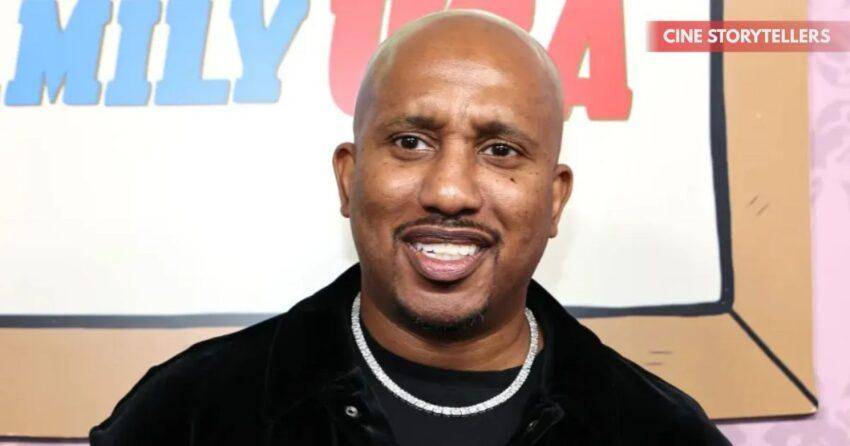
Former Saturday Night Live cast member Chris Redd recently shocked fans with a candid confession about his struggles during his time on the iconic sketch show. In an emotional social media video, Redd admitted he dealt with prescription pill use, sold pills to fellow castmates, and felt unsupported while experiencing panic attacks and mental health challenges. His honesty has reignited conversations about addiction, workplace pressure, and mental health in comedy. This article breaks down what Chris Redd said, why his confession resonated so strongly, and how his story fits into a larger discussion about life behind the scenes at SNL.
Chris Redd’s Confession Took Fans by Surprise
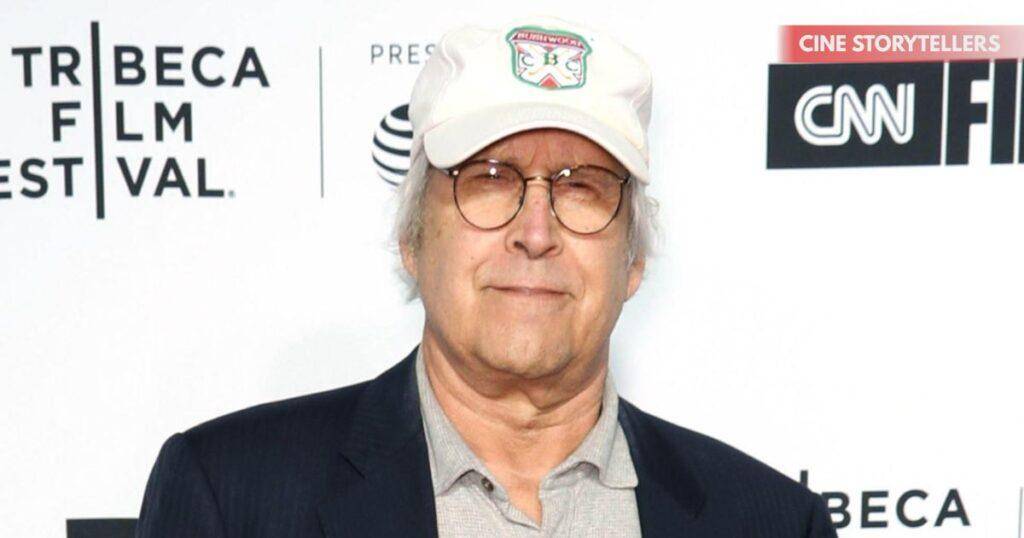
Chris Redd isn’t known for holding back onstage, but his recent confession felt different. Instead of jokes or characters, he spoke directly and openly about a painful period in his life — his time on Saturday Night Live.
In the video, Redd admitted that while working at SNL, he struggled with prescription pills, including Adderall. More strikingly, he acknowledged that he sold pills to fellow cast members, though he made it clear he wouldn’t name names or try to embarrass anyone.
The tone wasn’t defensive or sensational. It felt reflective, almost heavy, like someone finally setting down a burden they’d carried for years.
What Chris Redd Actually Said About Pills
Redd described his behavior plainly, without dramatics. He said he had “pill issues” and confirmed that his access to prescription medication became part of a larger struggle.
He emphasized that he wasn’t sharing the story to stir controversy or point fingers. Instead, he framed it as accountability — admitting he made bad choices during a time when he was overwhelmed, anxious, and trying to keep up in an environment that demands constant performance.
By refusing to name castmates, Redd shifted the focus away from gossip and toward personal responsibility and healing.
Also Read : Industry Season 4 Review: A High-Stakes, Darker Financial Thriller That Demands Attention
Life Inside SNL: Pressure That Never Turns Off
To outsiders, Saturday Night Live looks like a dream job. But for those inside the building, it’s also one of the most high-pressure workplaces in entertainment.
Cast members juggle:
- Intense writing schedules
- Live performance anxiety
- Constant judgment from audiences and critics
- Internal competition for screen time
- Little room for mistakes
Redd explained that the stress didn’t just stay at work. It followed him home, fed his anxiety, and contributed to panic attacks. Pills became a coping mechanism — not because he wanted chaos, but because he wanted relief.
Panic Attacks and Feeling Alone
One of the most emotional parts of Redd’s confession was his description of panic attacks. He said he struggled mentally while trying to appear confident and funny in public.
What hurt most, according to Redd, wasn’t just the anxiety — it was the feeling that people around him noticed his struggles but didn’t step in to help. He said he felt judged, talked about, and misunderstood instead of supported.
For many viewers, this part of the story hit hardest. It highlighted how easy it is to miss signs of distress when someone is expected to be “the funny one.”
Why His Admission Resonated So Strongly
Chris Redd’s confession landed at a moment when audiences are increasingly receptive to honest discussions about mental health.
People responded because:
- He didn’t excuse his behavior
- He didn’t glamorize addiction
- He didn’t blame others for his choices
- He spoke calmly, not defensively
Instead of a scandal, it felt like a human moment — someone admitting they weren’t okay, even when their career suggested they were thriving.
Selling Pills: Accountability Without Finger-Pointing
The most headline-grabbing detail — selling pills to castmates — could have easily turned into a media firestorm. But Redd handled it with restraint.
He acknowledged the behavior, called it wrong, and refused to use it to expose others. That approach shifted the narrative from “who did what” to “why does this happen in high-pressure environments?”
It also raised uncomfortable questions about how normalized prescription drug misuse can become in competitive workplaces.
Also Read : Sydney Sweeney The Housemaid Sequel Confirmed: The Housemaid’s Secret
Comedy and Addiction: A Long, Complicated History
Redd’s story doesn’t exist in a vacuum. Comedy has long struggled with addiction issues, often hidden behind laughter.
Late nights, erratic schedules, performance anxiety, and public scrutiny can push people toward unhealthy coping mechanisms. Pills, alcohol, and stimulants are sometimes treated as tools instead of risks.
By speaking openly, Redd added his voice to a larger conversation about how the industry supports — or fails — the people who make audiences laugh.
The Role of Personal Relationships in His Healing
In the same confession, Redd touched on a deeply personal relationship that helped push him toward therapy. He credited someone close to him with confronting his behavior and encouraging him to seek help.
That moment, according to Redd, marked a turning point. It wasn’t about being called out publicly — it was about being seen privately and urged to do better.
This part of the story reinforced an important truth: real change often begins with one honest conversation.
Why Chris Redd Chose to Speak Now
Redd didn’t say exactly why now was the right time to share his story, but his message suggested a desire for clarity and closure.
Speaking out allowed him to:
- Take ownership of past mistakes
- Control his own narrative
- Acknowledge growth without pretending perfection
- Start a new chapter without secrets
Rather than waiting for rumors or speculation, Redd chose transparency — a move many fans found refreshing.
Reactions From Fans and the Industry
Public reaction has been mixed but largely thoughtful.
Some fans expressed concern and compassion, thanking Redd for his honesty. Others questioned why he shared such personal details at all. Industry observers noted that his story exposed uncomfortable realities about life behind the scenes at SNL.
What’s clear is that the conversation didn’t stay superficial. It sparked meaningful discussion about mental health, accountability, and workplace culture.
Where Chris Redd Is Now
Since leaving Saturday Night Live, Chris Redd has continued building his career. He’s acted in television and film projects, returned to stand-up comedy, and prepared new material that reflects his growth.
His recent confession suggests someone who’s no longer trying to outrun his past — but instead integrate it into a healthier future.
For fans, that honesty may deepen appreciation for his work, not diminish it.
What His Story Teaches Us
Chris Redd’s confession isn’t just about pills or SNL. It’s about how easily success can mask suffering — and how silence can make things worse.
His story reminds us that:
- Mental health struggles don’t disappear with fame
- Accountability and compassion can coexist
- Support systems matter more than image
- Speaking up can be part of healing
It’s a reminder that the people making us laugh are still human, still vulnerable, and still deserving of care.
Also Read : The Toxic Avenger Reboot Starring Peter Dinklage Coming to UK & Ireland in 2025
FAQs
What did Chris Redd admit about his time on SNL?
Chris Redd said he struggled with prescription pill use during his time on Saturday Night Live and admitted to selling pills to fellow castmates.
Did Chris Redd name anyone involved?
No. He specifically said he would not name or expose any cast members.
Why did Chris Redd speak out now?
He framed the confession as part of personal growth, honesty, and moving forward without hiding past mistakes.
Did Chris Redd say he received support at SNL?
Redd suggested he felt unsupported during his struggles and experienced panic attacks while feeling judged rather than helped.
Is Chris Redd still working in entertainment?
Yes. He continues acting and performing stand-up comedy and has new projects in development.
What is the bigger message of his confession?
His story highlights the importance of mental health awareness, accountability, and support in high-pressure creative environments.
Join our WhatsApp channel for more updates and information about celebrities and entertainment.

I’m Atul Kumar, founder of Cine Storytellers and an entertainment creator with 5+ years of experience. I cover films, celebrities, music, and OTT content with a focus on accurate, ethical, and engaging storytelling. My goal is to bring readers trustworthy entertainment news that informs, inspires, and goes beyond gossip.
Discover more from Cine Storytellers
Subscribe to get the latest posts sent to your email.