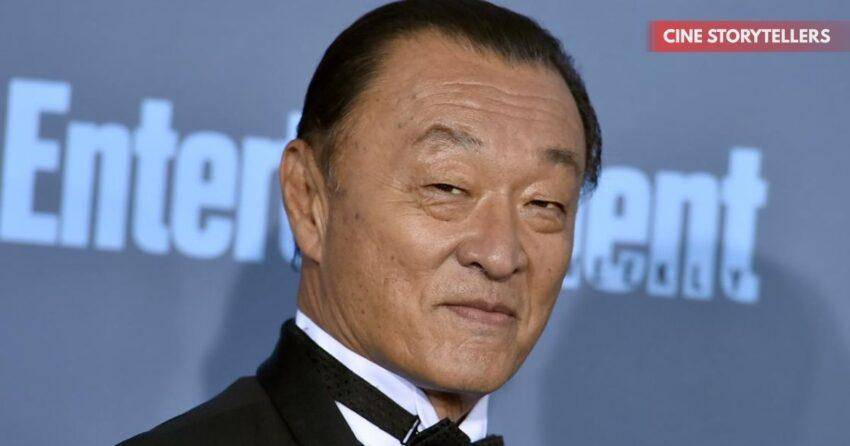
Cary-Hiroyuki Tagawa, the celebrated actor known globally for his unforgettable portrayal of Shang Tsung, has died at 75. This article takes a deep look at his journey—from his early life to becoming one of Hollywood’s most respected action and character actors—and the legacy he leaves behind.
Cary-Hiroyuki Tagawa Passes Away
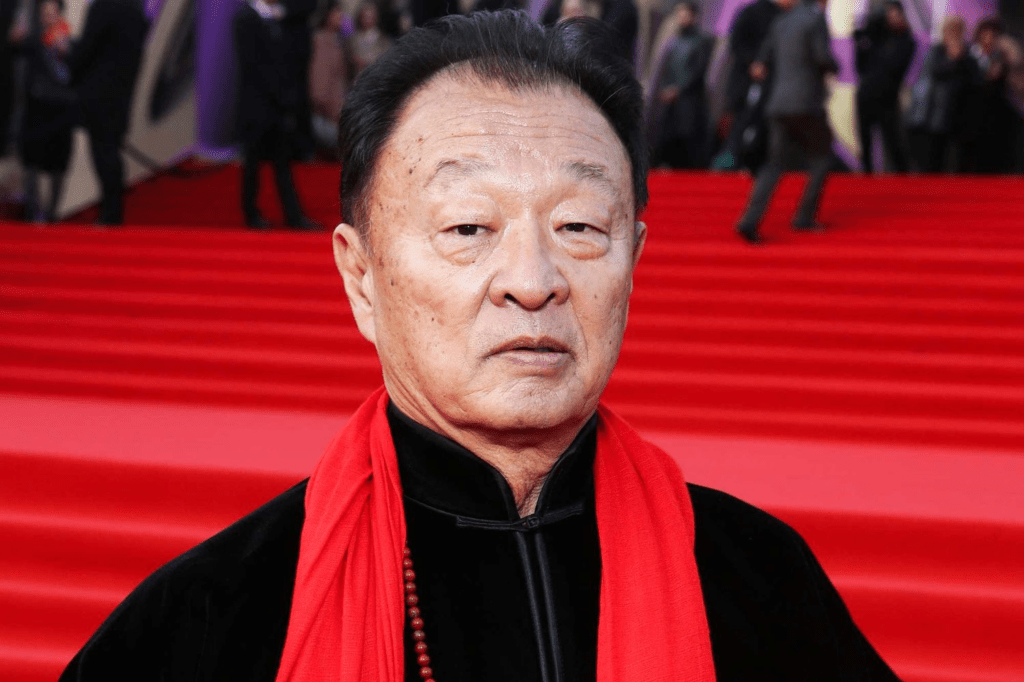
Cary-Hiroyuki Tagawa—an actor whose presence could command a scene with a single look—has passed away at the age of 75 in Santa Barbara, California. Known for his magnetic performance as Shang Tsung in the Mortal Kombat franchise, Tagawa was more than just a cinematic villain. He was a pioneer, a master of his craft, and a powerful symbol of Asian representation in Hollywood.
His death, attributed to complications from a stroke, marks the end of an era, but his legacy continues to live through his unforgettable performances, groundbreaking contributions, and the countless fans and colleagues who revered him.
Early Life and Roots of a Performer
Born in Tokyo and raised across multiple cultures—including time spent in the United States—Tagawa’s upbringing shaped his unique artistic background. His mother was an actress, while his father served in the U.S. Army, giving young Tagawa an early glimpse into both performance and discipline.
This combination would later become the backbone of his acting style: precise, commanding, and intimidating, yet layered with emotional depth.
The Turning Point
Tagawa entered the world of acting with determination. Even in small roles, he delivered a presence that demanded attention. Hollywood quickly recognized his ability to portray complex antagonists—not because he looked like one, but because he understood the psychology behind them.
Rise to Stardom: From The Last Emperor to Global Recognition
Tagawa’s breakthrough came with Bernardo Bertolucci’s The Last Emperor (1987), a film that won multiple Academy Awards. Though his role wasn’t the largest, his performance stood out and opened doors to bigger opportunities.
Becoming a Hollywood Powerhouse
Throughout the late 1980s and 1990s, he appeared in a series of major films including:
- Licence to Kill
- Rising Sun
- Pearl Harbor
- Planet of the Apes
- Memoirs of a Geisha
His characters often held a stoic authority, making him one of Hollywood’s go-to actors for roles requiring intensity, strength, and emotional subtlety.
Shang Tsung: The Role That Defined a Generation
If there is one character that iconized Tagawa globally, it is undoubtedly Shang Tsung, the soul-stealing sorcerer in the 1995 film Mortal Kombat.
Why Shang Tsung Became Legendary
Tagawa didn’t just play the villain—he became him. With his deep voice, piercing gaze, and unforgettable delivery of the line, “Your soul is mine,” he transformed a video-game character into a cultural icon.
His portrayal resonated so deeply that even decades later:
- Fans still quote his lines
- Memes keep his performance alive
- The Mortal Kombat franchise continued to honor him by bringing him back for subsequent versions and adaptations
Tagawa’s Shang Tsung wasn’t just a character—it was a moment in pop culture history.
A Career That Spanned Generations
Even in his later years, Tagawa continued acting, coaching, and lending his voice and likeness to major projects.
Standout Roles in Later Years
One of his most critically acclaimed roles came in Amazon Prime Video’s The Man in the High Castle, where he played Nobusuke Tagomi. This performance showcased his emotional depth, proving he was far more than an action star.
More Than a Villain
Tagawa always emphasized that playing antagonists wasn’t about being evil—it was about revealing human complexity. He brought nuance to every character, making audiences fear and respect his roles at the same time.
Influence on Asian Representation in Hollywood
At a time when Asian actors were rarely given complex roles, Tagawa’s career provided visibility and dignity to characters often stereotyped or sidelined.
Breaking Barriers
He proved that Asian actors could lead franchises, become fan favorites, and earn respect in an industry that often typecasts. His success inspired younger talents who grew up watching him dominate the screen with power and elegance.
Tributes Pour In From Around the World
Following his passing, social media has been flooded with tributes from actors, fans, filmmakers, and the gaming community. Many praised his artistry, humility, and the energy he brought to every set.
What Colleagues Remember
Several co-stars recalled:
- His discipline
- His sense of honor
- His willingness to mentor younger actors
- His deep pride in performing roles that portrayed strength and dignity
For the gaming community, he will forever remain the definitive Shang Tsung—the gold standard.
Personal Life, Values, and Legacy
Beyond the screen, Tagawa was a father, a spiritual man, and a thoughtful storyteller. He practiced martial arts not just as performance, but as philosophy.
What He Leaves Behind
Cary-Hiroyuki Tagawa leaves behind:
- A legacy of groundbreaking performance
- A model of Asian representation in Hollywood
- Characters that will live on for generations
- A fanbase that adored him, not just feared his roles
His children were by his side at the time of his passing, reminding the world that behind every legendary villain was a deeply loved father and human being.
Final Thoughts
Cary-Hiroyuki Tagawa’s death marks the loss of a cinematic titan, but his contribution to Hollywood remains immortal. For millions around the world, he will always be the face of one of the most iconic villains ever brought to screen and a symbol of power, precision, and passion.
He showed the world that a villain can be graceful, a warrior can be wise, and an actor can transcend borders.
His soul may have departed, but his legacy is ours to keep.
Also Read: JAY‑Z Turns 56: A Look Back at the Legend’s Journey and What’s Next
FAQs
Q1. How did Cary-Hiroyuki Tagawa die?
He passed away due to complications from a stroke.
Q2. How old was he at the time of his passing?
He was 75 years old.
Q3. What was his most iconic role?
His portrayal of Shang Tsung in Mortal Kombat remains his most celebrated and influential role.
Q4. Did he work on recent projects?
Yes, he continued acting in films, shows, and even video-game adaptations well into his later years.
Q5. Why is he considered important for Asian representation?
He broke stereotypes, portrayed strong characters, and proved that Asian actors could lead major Hollywood productions.
Join our WhatsApp channel for more updates and information about celebrities and entertainment.
I’m Atul Kumar, founder of Cine Storytellers and an entertainment creator with 5+ years of experience. I cover films, celebrities, music, and OTT content with a focus on accurate, ethical, and engaging storytelling. My goal is to bring readers trustworthy entertainment news that informs, inspires, and goes beyond gossip.
Discover more from Cine Storytellers
Subscribe to get the latest posts sent to your email.