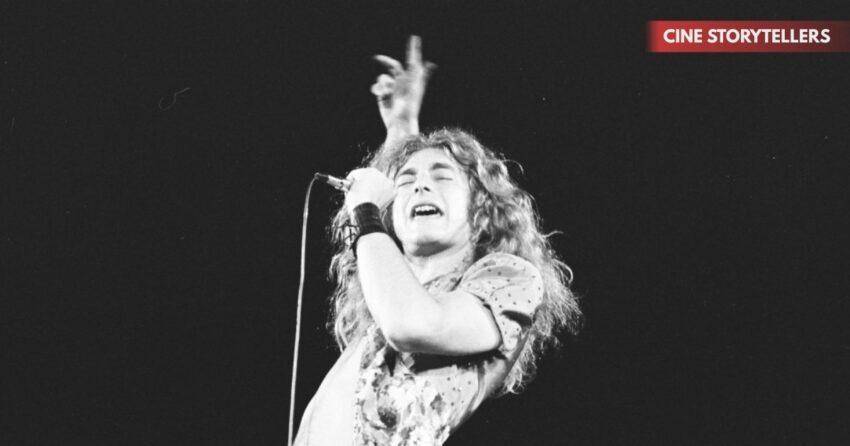
Led Zeppelin built its legacy on a fiercely independent sound, rarely allowing outside voices into its musical world. That’s why Robert Plant’s admission that he once wanted a female singer on a Led Zeppelin album remains one of classic rock’s most intriguing “what if” moments. In a candid interview, Plant named Stevie Nicks as the artist he admired and believed could bring something special to the band. This article explores the context behind that statement, why the collaboration never happened, Zeppelin’s history with guest vocalists, and what this moment reveals about Plant’s artistic vision.
A Surprising Confession From a Rock Legend
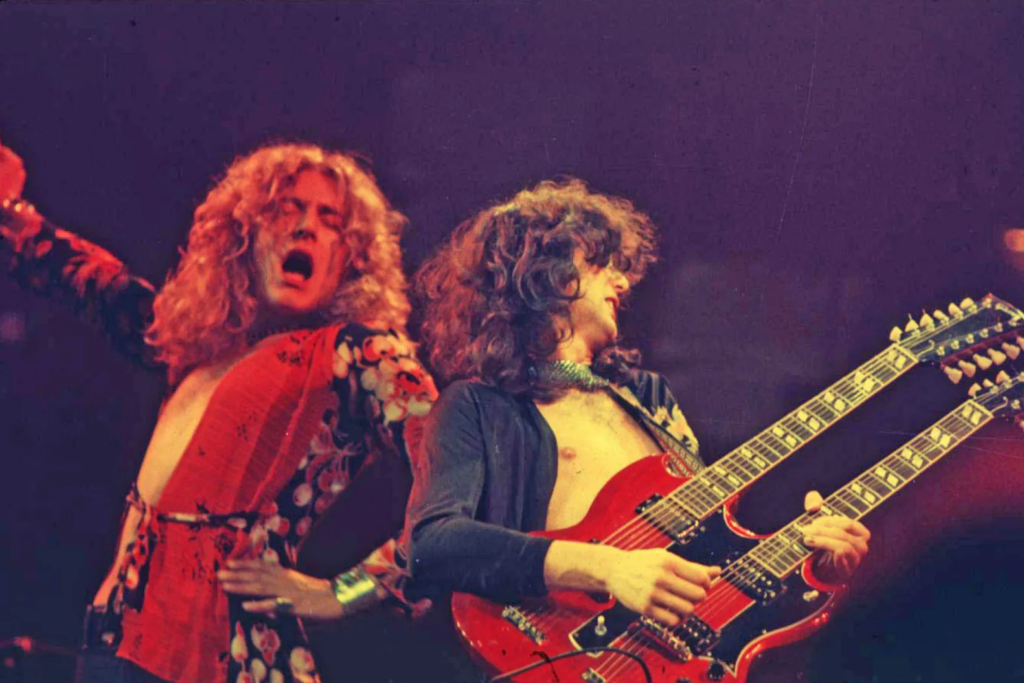
Led Zeppelin has always been associated with power, volume, and a very specific kind of masculine rock energy. From Robert Plant’s soaring vocals to Jimmy Page’s thunderous guitar riffs, the band cultivated a sound that felt complete and self-contained. That’s exactly why Robert Plant’s past confession still raises eyebrows decades later.
In the late 1970s, at the height of Led Zeppelin’s fame, Plant casually mentioned that there was one female singer he would have loved to hear on a Zeppelin album. The statement wasn’t part of a marketing campaign or a serious collaboration plan—it was an honest, reflective comment. Yet it opened the door to one of classic rock’s most fascinating unrealized ideas.
For fans, the idea of a female vocalist joining Led Zeppelin feels almost impossible. But Plant’s words suggest that even the most dominant bands occasionally imagined different creative paths.
Who Was the Female Singer Robert Plant Admired?
The woman Robert Plant named was Stevie Nicks, already a major star at the time thanks to her work with Fleetwood Mac. By the mid-to-late 1970s, Nicks had become one of rock’s most recognizable voices—mystical, emotional, and instantly distinctive.
Plant didn’t describe her as someone who would simply blend into Led Zeppelin’s sound. Instead, he spoke with genuine admiration, suggesting that her voice had a quality that could stand on its own alongside Zeppelin’s music.
This wasn’t about novelty. It was about respect.
Stevie Nicks represented a different side of rock music—dreamy, poetic, and emotionally raw. The idea of her voice interacting with Led Zeppelin’s heavier sound creates a fascinating contrast that still sparks curiosity today.
Why Stevie Nicks Stood Out to Robert Plant
Robert Plant has always been more musically curious than people sometimes assume. While Led Zeppelin is remembered primarily for hard rock anthems, Plant’s influences ranged widely—from blues and folk to world music and mysticism.
Stevie Nicks fit into that broader musical worldview.
Her songwriting leaned heavily into storytelling, symbolism, and emotional vulnerability. Songs like “Rhiannon” and “Landslide” carried a sense of myth and introspection that wasn’t far removed from the lyrical themes Plant explored in Zeppelin tracks.
What made Nicks especially appealing was her distinct identity. She didn’t sound like anyone else, and she didn’t conform to the typical expectations placed on female singers in rock at the time. That individuality likely resonated with Plant, who valued authenticity above all else.
Led Zeppelin’s Reluctance to Collaborate
To understand why this collaboration never happened, it’s important to understand how Led Zeppelin operated.
The band was famously insular. They didn’t chase trends, rely on guest features, or dilute their sound with outside influences. Zeppelin albums were crafted as complete artistic statements, shaped by the chemistry between the four core members.
Unlike modern music culture—where collaborations are common and often strategic—Led Zeppelin existed in an era where bands guarded their identities fiercely. Allowing another lead vocalist, especially one as prominent as Stevie Nicks, would have been a major departure from their established approach.
Even though Plant floated the idea, Zeppelin as a unit was unlikely to pursue it seriously.
Also Read : Beyoncé Is Officially a Billionaire – Beyonce Net Worth and Full Breakdown of Her Wealth
The One Exception: A Female Voice on a Zeppelin Album
Interestingly, Led Zeppelin did feature a female vocalist once—long before Plant mentioned Stevie Nicks.
On the song “The Battle of Evermore” from Led Zeppelin IV, British folk singer Sandy Denny shared vocals with Plant. Her haunting performance added a delicate, almost mystical layer to the song and remains one of Zeppelin’s most beloved moments.
This collaboration proved that Zeppelin wasn’t completely opposed to outside voices—but it had to feel organic and musically justified.
The fact that Sandy Denny’s appearance remains the only example makes Plant’s later admiration for Nicks even more intriguing. It suggests that he understood the power a female voice could bring when used sparingly and thoughtfully.
Why the Collaboration Never Became Reality
Despite Plant’s admiration, several factors likely prevented the idea from moving forward.
Creative Independence
Led Zeppelin valued total control over their music. Bringing in a star like Stevie Nicks would have required compromises in songwriting, arrangement, and production—something the band rarely entertained.
Timing and Circumstance
Plant’s comment came during a period when Zeppelin was already navigating intense touring schedules, personal challenges, and shifting musical priorities. The band wasn’t in a phase of experimentation that involved outside collaborators.
Two Powerful Identities
Stevie Nicks wasn’t a session singer—she was a creative force in her own right. Any collaboration would have needed to balance two strong artistic identities, which may have felt unnecessary or risky at the time.
Ultimately, the idea remained just that—an idea.
What This Moment Reveals About Robert Plant
Although the collaboration never happened, Plant’s comment offers valuable insight into his mindset as an artist.
First, it shows openness. Even at the peak of Led Zeppelin’s dominance, Plant wasn’t closed off to new sounds or voices.
Second, it highlights respect for female artists in an era when rock was overwhelmingly male-dominated. Plant didn’t view Nicks as a novelty; he viewed her as an equal.
Finally, it reflects Plant’s long-term artistic curiosity. In later years, he would collaborate extensively with female vocalists and explore genres far removed from Zeppelin’s hard rock roots.
In many ways, his admiration for Stevie Nicks foreshadowed the musical path he would take after Zeppelin ended.
Also Read : Malcolm in the Middle Revival Trailer: April Release Date, Cast, Story & Full Details
Imagining the Sound: What Could Have Been
Fans have spent decades imagining what a Plant–Nicks collaboration might have sounded like.
Would it have been a haunting acoustic track?
A myth-inspired duet?
A blues-folk experiment layered with Zeppelin’s signature instrumentation?
Given Zeppelin’s ability to blend genres, it’s easy to imagine a song that balanced raw power with ethereal beauty. The contrast between Plant’s wail and Nicks’ husky delivery could have created something truly unique.
But part of the magic lies in the mystery. Because it never happened, it exists forever as a perfect, untouched possibility.
How Fans View the Idea Today
Today’s fans tend to view Plant’s comment with a mix of fascination and appreciation.
Some see it as proof that Zeppelin could have evolved in surprising ways. Others appreciate it simply as a sign of mutual respect between two rock icons.
In an age where collaborations are everywhere, the idea of such a rare, almost accidental pairing feels even more special.
Why This Story Still Matters
This story isn’t just about a missed collaboration—it’s about creative boundaries.
Led Zeppelin’s refusal to chase trends helped preserve their legacy. At the same time, Plant’s openness reminds us that even the most iconic artists are inspired by their peers.
It also challenges outdated ideas about rock music being rigid or exclusionary. Behind the scenes, admiration and curiosity often crossed genre and gender lines.
Legacy Over What-Ifs
In the end, Led Zeppelin didn’t need guest vocalists to define their greatness, and Stevie Nicks didn’t need Zeppelin to cement her legacy.
Both artists achieved immortality on their own terms.
Yet this brief glimpse into Plant’s imagination adds texture to rock history. It reminds us that even legends have ideas that never come to life—and that sometimes, those unrealized moments are just as compelling as the music that exists.
Also Read : Amy Poehler Gets Into a Plane Fight Over Swearing Near a Baby – Full Story
FAQs
Who was the female singer Robert Plant wanted on a Led Zeppelin album?
Robert Plant mentioned Stevie Nicks as a female singer he admired and believed could have worked on a Led Zeppelin album.
Did Stevie Nicks ever record with Led Zeppelin?
No, Stevie Nicks never recorded with Led Zeppelin, and the collaboration never moved beyond Plant’s comment.
Has any female singer appeared on a Led Zeppelin album?
Yes, Sandy Denny sang on “The Battle of Evermore” from Led Zeppelin IV.
Why didn’t Led Zeppelin collaborate more often?
The band valued creative independence and preferred to maintain a closed, unified sound without frequent guest appearances.
What does this story say about Robert Plant?
It highlights Plant’s openness, respect for other artists, and willingness to imagine creative possibilities beyond Zeppelin’s traditional framework.
Join our WhatsApp channel for more updates and information about celebrities and entertainment.

I’m Atul Kumar, founder of Cine Storytellers and an entertainment creator with 5+ years of experience. I cover films, celebrities, music, and OTT content with a focus on accurate, ethical, and engaging storytelling. My goal is to bring readers trustworthy entertainment news that informs, inspires, and goes beyond gossip.
Discover more from Cine Storytellers
Subscribe to get the latest posts sent to your email.