
Today, A Charlie Brown Christmas is as much a part of the holiday season as twinkling lights and decorated trees. But back in 1965, the people who made the now-beloved TV special were convinced they had made a massive mistake. From real children’s voices and a jazz soundtrack to moments of silence and a deeply emotional message, the creative risks felt almost reckless at the time. In this article, we take a deep dive into why the creators believed they had “killed Peanuts,” what made the special so different from everything else on television, and how those very risks turned it into one of the most enduring holiday traditions of all time.
The Unlikely Birth of A Charlie Brown Christmas
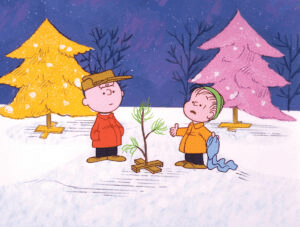
When A Charlie Brown Christmas was first pitched, it wasn’t part of a grand plan to dominate holiday television. In fact, the entire project came together remarkably fast. Producer Lee Mendelson had just finished working on a documentary about Peanuts creator Charles M. Schulz when CBS approached him with a simple request: create a Christmas special featuring Charlie Brown and his friends.
There was only one problem — there wasn’t much time, and there was no clear blueprint for how a Peanuts holiday special should look or sound. What followed was a whirlwind creative process involving Schulz, director Bill Melendez, and Mendelson, all of whom were about to take risks that felt downright dangerous for network television.
At the time, Peanuts was already popular as a comic strip, but television was a different beast. A misstep could have damaged the brand permanently — or so they feared.
A Christmas Special That Broke Every Rule
Almost everything about A Charlie Brown Christmas went against the television norms of the mid-1960s.
First, there were the voices. Instead of hiring adult voice actors pretending to be children, the team insisted on using real kids. This decision added authenticity, but it also introduced awkward pauses, uneven delivery, and moments of silence that made network executives nervous.
Then came the music. Rather than traditional orchestral Christmas tunes, the special featured a jazz score by Vince Guaraldi. Jazz wasn’t commonly associated with children’s programming, let alone holiday specials. To the creators, it felt emotionally right. To everyone else, it felt like a gamble.
And perhaps most shocking of all — there was no laugh track.
In an era when laugh tracks were practically mandatory, A Charlie Brown Christmas trusted the audience to feel the story without being told when to laugh. For a network audience used to constant cues, this was almost unheard of.
Also Read : Nobody 2 (2025) – Trailer, Tickets, Cast, Plot, Release Date
Why the Creators Thought They’d “Killed Peanuts”
Once production wrapped, the anxiety really set in.
Lee Mendelson later recalled that when the finished special was screened, the reaction in the room was… quiet. No big laughs. No instant applause. Just polite silence. For the team behind the special, that silence felt like confirmation of their worst fears.
They genuinely believed the special might damage Peanuts beyond repair.
The concern wasn’t just about ratings. The creators worried they had betrayed the spirit of Peanuts by making something too slow, too sad, or too thoughtful for a Christmas audience. Charlie Brown’s melancholy tone, his struggle with loneliness, and the understated humor all felt risky — especially for a holiday broadcast.
At one point, the phrase “we killed Peanuts” was said only half-jokingly. In their minds, the experiment had gone too far.
Charles M. Schulz’s Quiet Confidence
Interestingly, Charles M. Schulz himself was the calmest person in the room.
While others worried about audience reaction, Schulz stood by the creative choices. He believed deeply in the emotional honesty of the story. For him, Charlie Brown’s sadness wasn’t a flaw — it was the point.
Schulz had always written Peanuts as a reflection of real feelings: insecurity, doubt, hope, and quiet joy. A Charlie Brown Christmas simply extended that philosophy to television.
When concerns were raised about the religious elements — particularly Linus reciting the Nativity story — Schulz refused to cut it. He felt the meaning of Christmas couldn’t be watered down for the sake of comfort or ratings.
At the time, this insistence felt risky. In hindsight, it became one of the most iconic moments in TV history.
A Christmas Story That Didn’t Talk Down to Kids
One of the reasons A Charlie Brown Christmas felt so different was its respect for its audience — especially children.
Instead of flashy visuals or slapstick comedy, the special focused on emotion and introspection. Charlie Brown’s frustration with commercialism, his search for meaning, and his quiet vulnerability were things children could feel, even if they couldn’t always articulate them.
Adults, too, found something unexpected in the story. Beneath the simple animation was a thoughtful meditation on loneliness, belonging, and the pressure to feel happy during the holidays.
This emotional depth is exactly what made the creators nervous — and exactly what would later make the special timeless.
The Night It Aired — And Everything Changed
When A Charlie Brown Christmas finally aired in December 1965, the response was nothing like the creators expected.
Instead of confusion or backlash, audiences connected with it instantly. Ratings were strong. Critics praised its sincerity. Families talked about it the next day.
What had felt like a creative disaster in the making suddenly became a cultural moment.
The very things the creators feared — the silence, the jazz music, the emotional tone — were what audiences loved most. Viewers weren’t put off by the slower pace; they were drawn in by it.
For Mendelson, Melendez, and Schulz, the relief was immense. Not only had they not “killed Peanuts” — they had elevated it.
Also Read : Toy Story 5 – New Characters, Plot, Cast, Release Date
From Risky Experiment to Holiday Tradition
In the years that followed, A Charlie Brown Christmas became an annual tradition. It won major awards, including an Emmy and a Peabody, and helped pave the way for dozens of additional Peanuts TV specials.
More importantly, it proved that children’s programming didn’t have to be loud or simplistic to succeed. It could be thoughtful. It could be quiet. It could trust its audience.
The success of the Christmas special also solidified Peanuts as more than just a comic strip. It became a cultural touchstone — one that could evolve while staying true to its emotional core.
Why the Special Still Resonates Today
Nearly six decades later, A Charlie Brown Christmas continues to resonate because its message hasn’t aged.
The pressure to be happy during the holidays, the feeling of being overwhelmed by consumerism, and the quiet longing for meaning are just as relevant today as they were in 1965.
The animation may be simple, and the pacing slower than modern TV, but that simplicity is part of its charm. In a world full of noise, the special’s calm honesty feels refreshing.
What once made its creators fear failure is now exactly why it endures.
The Legacy of Taking Creative Risks
The story behind A Charlie Brown Christmas is a reminder that creative risks often feel terrifying in the moment. Innovation rarely comes with instant reassurance.
Mendelson, Melendez, and Schulz trusted their instincts — even when they doubted themselves — and created something deeply personal. Their willingness to break the rules didn’t just save Peanuts; it defined it.
Today, the special is taught, analyzed, and cherished not just as entertainment, but as an example of how authenticity can triumph over expectation.
Also Read : Good Boy Trailer: Haunted House Mystery Unveiled with a Dog Detective Twist
FAQs
Did the creators really think A Charlie Brown Christmas would fail?
Yes. After finishing the special, the creators were genuinely worried that its unconventional style would hurt the Peanuts brand.
Why was the special considered risky at the time?
It used real children’s voices, featured jazz music, avoided a laugh track, and focused on emotional themes rather than flashy humor.
Was the network nervous about airing it?
Absolutely. CBS executives had concerns about its pacing, tone, and religious elements but ultimately decided to air it as-is.
What made audiences connect with it so strongly?
Its emotional honesty, relatable themes, and quiet sincerity resonated with both children and adults.
Why does A Charlie Brown Christmas still matter today?
Because its message about finding meaning beyond commercialism and embracing vulnerability remains timeless.
Join our WhatsApp channel for more updates and information about celebrities and entertainment.

I’m Atul Kumar, founder of Cine Storytellers and an entertainment creator with 5+ years of experience. I cover films, celebrities, music, and OTT content with a focus on accurate, ethical, and engaging storytelling. My goal is to bring readers trustworthy entertainment news that informs, inspires, and goes beyond gossip.
Discover more from Cine Storytellers
Subscribe to get the latest posts sent to your email.