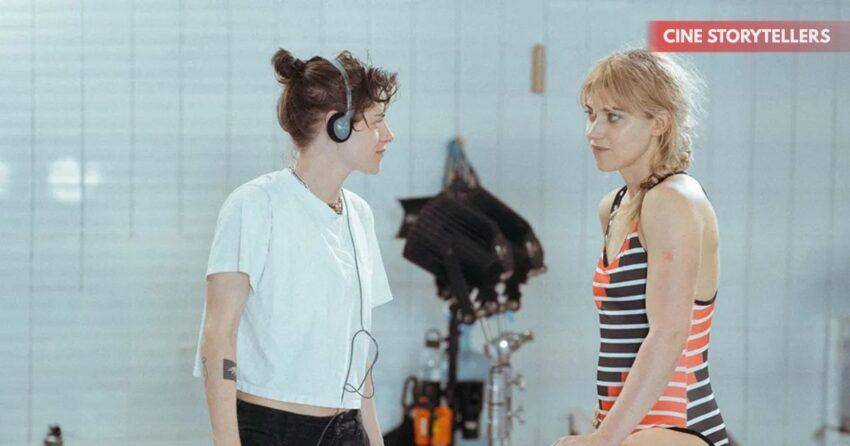
Some films arrive quietly but leave a permanent mark on you, almost like waves brushing the shore—soft yet impossible to ignore. The Chronology of Water, directed by Kristen Stewart, is one such experience. Based on Lidia Yuknavitch’s acclaimed memoir, the film isn’t your usual linear storytelling. Instead, it pulls you into a swirling emotional landscape where memories, trauma, desire, identity, and healing blend together like currents in unpredictable waters.
If you’ve ever watched a movie and felt like it mirrored a part of your inner life—messy, complicated, but undeniably real—this film will resonate deeply with you. Let’s dive into this bold cinematic piece and explore what makes it stand out in 2025.
Understanding the Film’s Unique Style
A Story Told Like a Memory
This film doesn’t follow a straight path. Instead, it moves like a memory—jumping back and forth, drifting between emotions, and blending moments that shape who the protagonist becomes.
If you’ve ever flipped through an old diary and suddenly jumped years ahead without meaning to, you’ll understand the storytelling here.
Kristen Stewart’s Vision as a Director
A Brave, Experimental Approach
Kristen Stewart, known for her fearless acting choices, brings the same courage to her direction. She doesn’t shy away from rawness, intimacy, or discomfort. Instead, she leans into them.
She seems to treat the camera like a confessional booth—inviting the audience not just to watch but to feel.
Themes at the Heart of the Story
Trauma and Healing
The film beautifully captures how trauma doesn’t follow a clean, logical timeline. Healing comes in waves—sometimes gentle, sometimes overwhelming.
Art as Rebirth
The protagonist channels pain into creativity, showing how art becomes a lifeline.
Identity and Belonging
From sexuality to emotional truth, the journey of self-acceptance forms a central thread.
The Power of Nonlinear Storytelling
Why It Works
Some movies confuse you when they shift timelines. This one does the opposite—it frees you. The nonlinear structure mirrors the messiness of real life and makes the emotional punches hit harder.
Think of it like walking through a gallery instead of reading a book. Each scene is a painting—different, but connected.
Exploring the Protagonist’s Journey
A Life Marked by Conflict and Courage
The central character is shaped by difficult childhood experiences, complicated relationships, and moments of rebellion. But what makes her compelling is not the suffering—it’s the strength. The film shows:
- how she loves fiercely
- how she breaks and rebuilds
- how she finds her voice
Her journey is both painful and empowering.
Water as a Symbol
Water appears everywhere in the film. It becomes a metaphor for the protagonist’s entire existence—
- Sometimes calm
- Sometimes violent
- Always in motion
It represents rebirth, destruction, freedom, and memory. You feel it in nearly every scene.
Cinematography and Visual Language
A Visual Poem
The visuals in this film don’t just accompany the story—they ARE the story.
Bold, moody lighting…
Close-up shots that refuse to look away…
Fluid camera movements that mimic water itself…
Every frame feels intentional, like a line from a poem.
Sound Design and Emotional Weight
Silence Speaks Too
The sound design plays a huge role. Sometimes it’s loud and chaotic, sometimes quiet enough that you hear the protagonist breathe. The shifts in sound amplify emotions—fear, longing, confusion, joy.
Performances That Stand Out
Every actor brings intensity, but the lead performance steals the show. It’s vulnerable, brave, and unsettling in the best way. You don’t feel like you’re watching someone act—you feel like you’re witnessing someone unravel and rebuild right in front of you.
How the Film Handles Trauma
Not Exploited—Explored
The film never sensationalizes trauma. Instead, it approaches it with:
- empathy
- honesty
- responsibility
The character’s pain is not used for shock value—it’s portrayed as part of her lived reality, shaping her but never defining her completely.
The Queer Identity Arc
A deeply important part of the story is the protagonist’s queer identity. The film handles it with authenticity and tenderness. Instead of treating it like a plot twist or dramatic device, it treats it like life—messy, beautiful, and real.
Comparisons to the Memoir
While inspired by the memoir, the film becomes its own creation. Kristen Stewart isn’t trying to copy the book; she’s reimagining its emotional landscape through a cinematic lens. Readers of the memoir will recognize the spirit, but the film adds its own interpretation.
Why This Film Matters in 2025
In a world that often prefers polished perfection, this film chooses raw honesty. It matters because:
- it tells a woman’s story without filters
- it embraces queer identity with pride
- it challenges conventional filmmaking
- it gives space to imperfect, nonlinear healing
It’s a film for anyone who has ever felt lost and found themselves again.
Audience Reactions and Discussions
Viewers are divided—not because the film is flawed, but because it demands emotional investment. Some praise its bravery; others find its intensity overwhelming. But one thing is clear: it sparks conversation.
And isn’t that what great cinema should do?
Final Thoughts
The Chronology of Water isn’t a film you simply watch—it’s a film you feel. It’s poetic, messy, emotional, and beautifully imperfect. Whether you love experimental cinema or prefer straightforward storytelling, this movie invites you into a deeply personal world that stays with you long after the credits roll.
It’s not just a film.
It’s an emotional tide.
Also Read : Premalu OTT Release Date: Streaming Details & Updates
FAQs
1. What is The Chronology of Water about?
It follows a woman’s journey through trauma, identity, queerness, art, and healing, using nonlinear storytelling.
2. Is the film based on a true story?
Yes, it’s inspired by Lidia Yuknavitch’s memoir, though the film takes creative liberties.
3. Who directed the movie?
Kristen Stewart directed the film, showcasing her bold and experimental filmmaking style.
4. Is the movie suitable for all audiences?
It contains heavy emotional themes and mature content, so viewer discretion is advised.
5. What makes the film stand out in 2025?
Its raw honesty, nonlinear narrative, strong performances, and emotional depth set it apart from typical releases.
Join our WhatsApp channel for more updates and information about celebrities and entertainment.

I’m Atul Kumar, founder of Cine Storytellers and an entertainment creator with 5+ years of experience. I cover films, celebrities, music, and OTT content with a focus on accurate, ethical, and engaging storytelling. My goal is to bring readers trustworthy entertainment news that informs, inspires, and goes beyond gossip.
Discover more from Cine Storytellers
Subscribe to get the latest posts sent to your email.