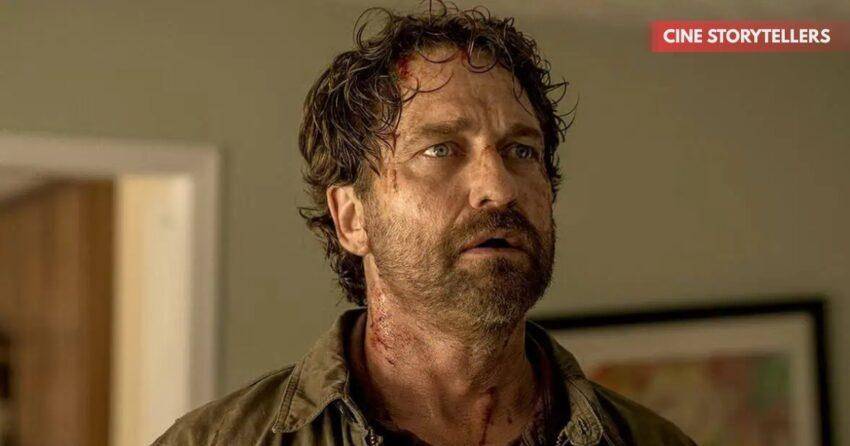
The newly released character posters for Greenland 2: Migration have reignited excitement for one of the most anticipated disaster-movie sequels in recent years. Starring Gerard Butler, Morena Baccarin, and Roman Griffin Davis, the follow-up continues the Garrity family’s survival journey in a world permanently scarred by a catastrophic comet impact. Unlike the first film, which focused on immediate survival, Migration shifts toward rebuilding, loss, and the dangerous journey into an uncertain future. In this in-depth article, we break down the new posters, explore what they reveal about the story, analyze the returning cast and creative team, and explain why this sequel could emotionally outshine its predecessor.
Why Greenland 2: Migration Is Generating So Much Buzz
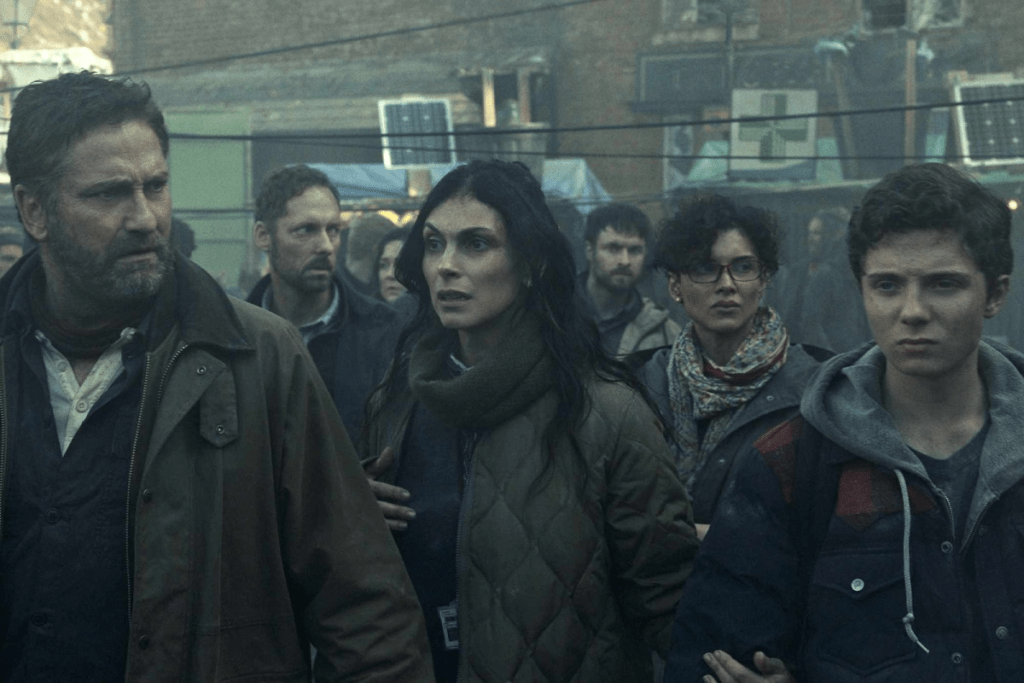
When Greenland was released, few expected it to become one of the most talked-about disaster films of its time. Instead of relying solely on spectacle, it grounded its story in family, fear, and realism. That approach earned the film a loyal fanbase — and made a sequel not only possible, but necessary.
Now, with Greenland 2: Migration, the franchise is entering a new phase.
The release of fresh character posters signals that this sequel isn’t just retreading old ground. It’s expanding the world, deepening the emotional stakes, and pushing its characters into uncharted territory. Fans aren’t just curious anymore — they’re invested.
A Closer Look at the New Character Posters
The newly unveiled character posters immediately set a darker tone than the original film’s promotional material.
Each poster focuses on an individual character rather than large-scale destruction. This shift is intentional. While the comet threat may be over, survival itself has become the new enemy.
John Garrity Returns Changed
Gerard Butler’s John Garrity looks hardened, worn down, and visibly transformed. The fear-driven panic of the first film has been replaced with something heavier — responsibility. His posture and expression suggest a man who has survived the end of the world but now must lead his family through what comes next.
Allison Garrity’s Quiet Strength
Morena Baccarin’s poster emphasizes resilience rather than vulnerability. Allison no longer looks like someone merely reacting to disaster; she looks like someone who has adapted to it. Her presence suggests that emotional endurance will play a major role in the sequel.
Nathan Garrity Growing Up Too Fast
Roman Griffin Davis returns as Nathan, now older and more aware of the brutal world around him. His poster hints at maturity beyond his years — a child shaped by catastrophe. This evolution could be one of the sequel’s most emotionally powerful elements.
Together, these images tell a clear story: Migration is about aftermath, not impact.
What Greenland 2: Migration Is Really About
Unlike the first film, which centered on escaping extinction, Migration explores what happens after survival.
The Garrity family has spent years in a bunker in Greenland, protected but isolated. Now, the world outside has changed forever. Resources are scarce. Societies are fractured. And safety is no longer guaranteed by hiding underground.
The sequel follows the family as they are forced to leave their shelter and journey across a devastated landscape in search of a new home. This migration isn’t just physical — it’s emotional and psychological.
The film asks difficult questions:
- What does rebuilding look like after global collapse?
- Can humanity coexist again after chaos?
- How much of the old world is worth saving?
How This Sequel Differs From the First Film
One of the biggest strengths of Greenland was its sense of urgency. Every moment felt like a race against time. Migration, by contrast, slows things down — but in a powerful way.
From Survival to Consequence
The first movie was about making it through the night. The sequel is about living with what’s left.
This shift allows the story to focus more on:
- Character development
- Moral dilemmas
- Human relationships under pressure
Less Panic, More Tension
Rather than nonstop chaos, Migration builds tension through uncertainty. The danger isn’t always visible, which makes it more unsettling. Trust, scarcity, and desperation become just as threatening as natural disasters.
The Return of the Original Creative Team
One reason fans are optimistic is the return of key creatives behind the original film.
Director Ric Roman Waugh understands how to balance action with emotional realism. He doesn’t glamorize destruction — he personalizes it. That approach is essential for a sequel that relies more on character than spectacle.
The screenplay continues to emphasize realism over fantasy, grounding the story in believable human reactions. This consistency helps Migration feel like a natural continuation rather than a cash-grab sequel.
Gerard Butler’s Growing Role in the Franchise
Gerard Butler isn’t just starring in Greenland 2: Migration — he’s deeply involved in shaping it.
Over the years, Butler has gravitated toward grounded action films where characters feel human rather than invincible. His performance in Greenland was widely praised for its vulnerability, and early signs suggest the sequel pushes that even further.
John Garrity isn’t a superhero. He’s a father making impossible decisions. That relatability is what made audiences connect with the original — and why Butler’s continued involvement matters so much.
Why Disaster Movies Are Evolving — and Migration Fits the Trend
Modern audiences expect more from disaster films than explosions and collapsing cities. They want stories that reflect real fears and real emotions.
Greenland 2: Migration fits perfectly into this evolution.
Instead of asking “How do we survive?” it asks “How do we live after survival?”
This thematic depth places the sequel closer to post-apocalyptic dramas than traditional disaster flicks, setting it apart from generic genre entries.
The Emotional Core: Family, Loss, and Hope
At its heart, Migration remains a family story.
The Garritys have lost friends, neighbors, and the world they once knew. Yet they continue forward — not because they’re fearless, but because they must.
The sequel explores:
- Grief that never fully disappears
- The strain of constant vigilance
- The fragile hope that life can be rebuilt
These themes resonate strongly in a world that has experienced its own global crises, making the film feel timely rather than escapist.
Also Read : Olivia Culpo Opens Up About Nick Jonas Breakup: Emotional Confession, and Life-Changing Lessons
Worldbuilding in a Post-Comet Earth
The new posters hint at a world that hasn’t recovered — and may never fully do so.
Expect to see:
- Ruined infrastructure
- Scattered survivor communities
- Harsh natural conditions
Rather than presenting a clean slate, Migration embraces the messiness of rebuilding civilization. This grounded approach could make the film’s world one of the most believable in modern post-apocalyptic cinema.
Why January 2026 Is a Smart Release Window
Releasing in January may seem risky, but it could actually work in the film’s favor.
January audiences are often hungry for serious, story-driven films after the holiday spectacle season. Migration offers something different — emotional weight instead of flashy escapism.
The lack of direct competition could allow the sequel to build strong word-of-mouth, just like the first film did.
Fan Expectations and Online Reaction
The response to the character posters has been overwhelmingly positive. Fans appreciate the focus on characters rather than destruction, interpreting it as a sign that the sequel understands what made the original special.
Many longtime viewers have expressed excitement about seeing Nathan older and more central to the story, while others are eager to explore how society functions after the comet.
There’s cautious optimism — but optimism nonetheless.
Can Greenland 2: Migration Surpass the Original?
That’s the big question.
Sequels often struggle because they try to go bigger instead of deeper. Migration appears to be doing the opposite — expanding emotionally rather than explosively.
If the film delivers on its promise of character-driven storytelling, it has a real chance to not only match the original, but surpass it in impact.
Also Read : Inside Beyoncé’s $500M Empire – Music, Business & Beyond
FAQs
When will Greenland 2: Migration be released?
The film is scheduled for theatrical release in January 2026.
Who stars in Greenland 2: Migration?
Gerard Butler, Morena Baccarin, and Roman Griffin Davis return as the Garrity family.
Is Migration a direct sequel to Greenland?
Yes, the story continues years after the comet impact, focusing on life after survival.
What do the new character posters reveal?
They emphasize emotional resilience, personal growth, and a darker, more grounded tone.
Will the sequel focus more on action or story?
Early signs suggest a stronger emphasis on character and emotional storytelling, with action serving the narrative rather than dominating it.
Join our WhatsApp channel for more updates and information about celebrities and entertainment.

I’m Atul Kumar, founder of Cine Storytellers and an entertainment creator with 5+ years of experience. I cover films, celebrities, music, and OTT content with a focus on accurate, ethical, and engaging storytelling. My goal is to bring readers trustworthy entertainment news that informs, inspires, and goes beyond gossip.
Discover more from Cine Storytellers
Subscribe to get the latest posts sent to your email.