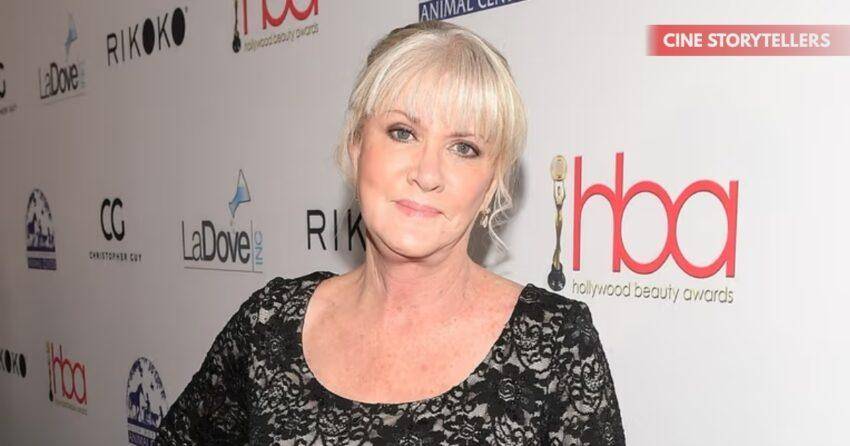
More than three decades after her name became tabloid shorthand for scandal, Mary Jo Buttafuoco is reclaiming her narrative. The new Lifetime movie I Am Mary Jo Buttafuoco shifts the focus away from sensational headlines and centers on survival, trauma, and long-term resilience. Narrated by Mary Jo herself, the film offers a deeply personal look at how one violent moment reshaped an entire life — and why telling this story now matters more than ever.
Mary Jo Buttafuoco’s Story Returns — But This Time, It’s Different
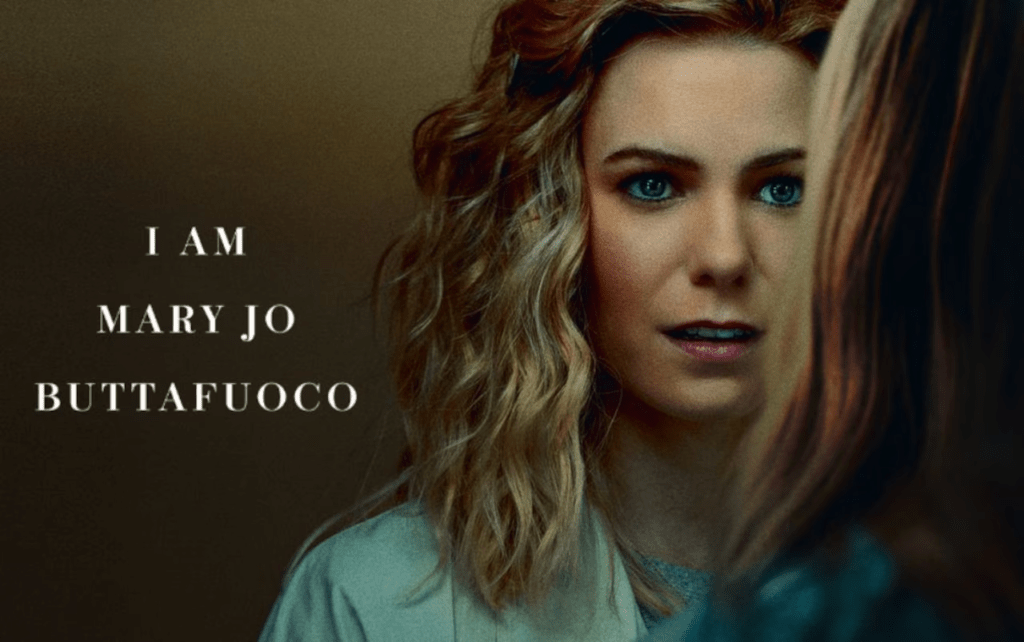
For many people, the name Mary Jo Buttafuoco immediately brings back memories of breathless headlines, courtroom drama, and wall-to-wall TV coverage from the early 1990s. But I Am Mary Jo Buttafuoco, Lifetime’s latest true-crime film, makes one thing clear right away: this story is no longer about spectacle.
Instead of rehashing the scandal from the outside, the movie is narrated by Mary Jo herself. That single creative choice changes everything. The film doesn’t ask viewers to gawk at a shocking crime — it asks them to listen to a woman who lived through it and carried its consequences for decades.
The result is a film that feels reflective, emotional, and surprisingly grounded.
Revisiting the Crime That Shocked the Nation
In May 1992, Mary Jo Buttafuoco’s life changed forever. She was shot in the face outside her home in Massapequa, New York by Amy Fisher, a teenager who had been involved in a secret relationship with Mary Jo’s husband, Joey Buttafuoco.
The shooting left Mary Jo with permanent injuries, including facial paralysis and hearing loss. Even more devastating was how quickly her trauma became public entertainment. The case exploded into a media frenzy, with sensational nicknames, lurid details, and endless speculation dominating coverage.
While others became infamous, Mary Jo became invisible — reduced to a supporting character in her own tragedy.
How Media Coverage Shaped Public Perception
The 1990s were a peak era for tabloid television, and the Buttafuoco case arrived at exactly the wrong time. The story was framed as scandal first, crime second, and human trauma last.
Television movies, talk shows, and magazines focused heavily on Amy Fisher and Joey Buttafuoco, while Mary Jo was often portrayed as a passive figure rather than a survivor. Her pain, recovery, and long-term struggle rarely made headlines.
The Lifetime movie directly confronts that imbalance, acknowledging how damaging media narratives can be when they strip victims of complexity and agency.
Why This Lifetime Movie Feels More Personal
What sets I Am Mary Jo Buttafuoco apart is its tone. The film isn’t interested in recreating every shocking detail for dramatic effect. Instead, it explores what happened afterward — the emotional fallout, the slow recovery, and the lifelong adjustments Mary Jo had to make.
By narrating the film herself, Mary Jo adds context that was missing from earlier portrayals. She speaks about confusion, anger, forgiveness, and the quiet moments that never made the news.
This approach transforms the movie from a true-crime reenactment into something closer to a personal testimony.
Casting Choices That Support the Story
Chloe Lanier plays a younger Mary Jo Buttafuoco, and her performance focuses on vulnerability rather than melodrama. She portrays Mary Jo as a fully realized person — a wife, a mother, and an individual whose life didn’t revolve around scandal until it was forced to.
The supporting cast brings restraint to their roles, avoiding caricature and letting the emotional weight of the story come through naturally. This grounded approach helps the film maintain credibility and emotional resonance.
From Victim to Survivor: The Long Road to Healing
One of the film’s strongest elements is its focus on life after violence. Recovery didn’t end when Mary Jo left the hospital. It stretched across years of physical therapy, emotional processing, and rebuilding trust in a world that had turned her pain into spectacle.
The movie explores how trauma lingers — how it reshapes relationships, self-image, and daily life. It also shows moments of resilience, humor, and strength that rarely appear in true-crime retellings.
Mary Jo’s story becomes not just about surviving an attack, but about learning how to live afterward.
Why Telling This Story Now Matters
True-crime storytelling has evolved. Audiences today are more critical of exploitation and more interested in ethical storytelling. I Am Mary Jo Buttafuoco arrives at a moment when survivor-centered narratives are finally gaining space.
Mary Jo has said that telling her story now is about perspective. Time allows for reflection. Distance allows for clarity. And speaking in her own voice allows her to correct the record.
For younger viewers who only know the case as a pop-culture reference, the movie offers a chance to see the human reality behind the headlines.
The Cultural Shift in True-Crime Narratives
For decades, true crime often prioritized shock value. The most sensational aspects were highlighted, while long-term consequences were ignored.
This film represents a broader shift — one where survivors are allowed to define their own stories. Instead of asking “What happened?”, the movie asks “What did it cost?” and “What came next?”
That shift makes I Am Mary Jo Buttafuoco feel less like entertainment and more like a cultural correction.
Also Read : Meghan Trainor Weight Loss Journey: Diet, Exercise, Motherhood & Transformation
Audience Reactions and Emotional Impact
Early reactions suggest viewers are connecting deeply with the film. Many have said it changed how they remember the case, especially those who lived through the media frenzy of the 1990s.
Some viewers describe feeling uncomfortable — not because of graphic content, but because the film forces reflection on how easily society consumes trauma. That discomfort feels intentional and necessary.
Rather than offering easy answers, the movie leaves viewers with empathy and questions.
Mary Jo Buttafuoco’s Legacy Reframed
For years, Mary Jo Buttafuoco was known primarily as a name tied to scandal. This film reframes her legacy as one of survival, endurance, and reclaiming identity.
She is no longer just a figure in a crime story — she is the author of her own narrative. That distinction matters, not only for her, but for how future stories of trauma are told.
The movie doesn’t erase the past. It contextualizes it.
Where and How to Watch I Am Mary Jo Buttafuoco
The Lifetime movie premiered in January 2026 and is available through Lifetime’s broadcast channel and various streaming options that carry Lifetime content. Viewers can watch live, on demand, or through subscription platforms that offer Lifetime programming.
Its accessibility ensures that audiences across generations can engage with the story and reconsider what they thought they knew.
Why This Film Stays With You
What makes I Am Mary Jo Buttafuoco linger isn’t the crime itself — it’s the quiet moments. The reflections. The acknowledgment of pain without sensationalism.
It reminds viewers that behind every infamous case is a person who had to keep living long after public attention moved on.
That perspective is rare — and powerful.
Also Read : 28 Years Later: The Bone Temple Box Office – How the Horror Sequel Beat Avatar in Early 2026
FAQs
What is I Am Mary Jo Buttafuoco about?
It’s a Lifetime movie that tells the true story of Mary Jo Buttafuoco, focusing on her survival, recovery, and life after being shot in 1992. The film is narrated by Mary Jo herself.
How is this movie different from earlier adaptations?
Unlike previous films, this version centers Mary Jo’s voice and long-term experience rather than focusing on sensational details or other figures involved in the case.
Who plays Mary Jo Buttafuoco in the movie?
Chloe Lanier portrays a younger Mary Jo, supported by a cast that emphasizes emotional realism over dramatization.
Is the movie graphic?
The film avoids excessive graphic detail, choosing instead to focus on emotional impact, recovery, and personal reflection.
Why is the movie being released now?
The film aligns with a broader cultural shift toward survivor-centered storytelling and allows Mary Jo to reclaim her narrative decades after the events occurred.
Join our WhatsApp channel for more updates and information about celebrities and entertainment

I’m Atul Kumar, founder of Cine Storytellers and an entertainment creator with 5+ years of experience. I cover films, celebrities, music, and OTT content with a focus on accurate, ethical, and engaging storytelling. My goal is to bring readers trustworthy entertainment news that informs, inspires, and goes beyond gossip.
Discover more from Cine Storytellers
Subscribe to get the latest posts sent to your email.