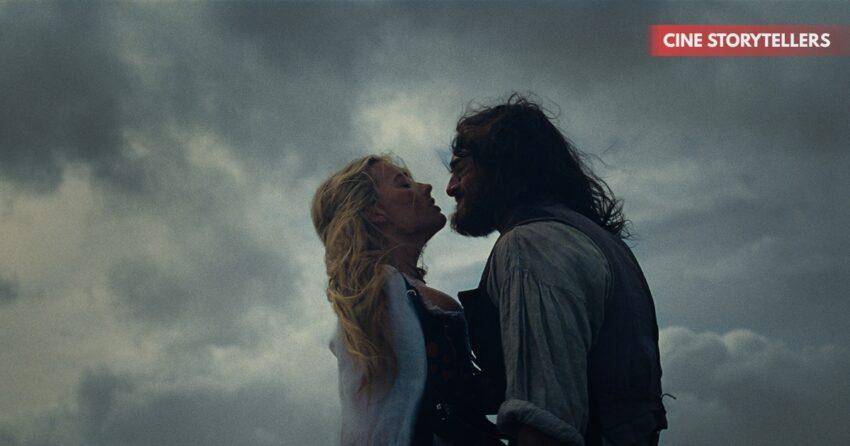
The 2026 film adaptation of Wuthering Heights has arrived — and it’s not quietly slipping into the long list of period dramas. Directed by Emerald Fennell and starring Margot Robbie as Catherine Earnshaw and Jacob Elordi as Heathcliff, this version has ignited passionate debate across film circles. Some viewers are calling it a fearless, visually intoxicating reimagining of Emily Brontë’s classic, while others believe it strays too far from the novel’s emotional and thematic roots. One thing is certain: this Wuthering Heights is impossible to ignore. It’s bold, sensual, provocative, and designed to be talked about.
A New Vision for a Literary Classic
Adapting Wuthering Heights is never a simple task. Emily Brontë’s novel isn’t a sweeping romance in the traditional sense — it’s a dark, unsettling exploration of obsession, class tension, cruelty, and emotional ruin. Emerald Fennell clearly understands that weight, but instead of recreating the novel beat-for-beat, she chooses reinterpretation over reverence.
This 2026 version feels less like a traditional literary adaptation and more like a modern gothic fever dream. The film leans heavily into mood, atmosphere, and raw emotional intensity, presenting the story through a contemporary lens that favors sensation over strict historical accuracy. That creative decision sets the tone for everything that follows — and explains why reactions have been so sharply divided.
Also Read : Catherine O’Hara Cause of Death Revealed: Pulmonary Embolism & Private Cancer Battle Explained
Margot Robbie’s Catherine: Magnetic, Fierce, and Unapologetic
Margot Robbie steps into the role of Catherine Earnshaw with unmistakable confidence. Her Catherine is volatile, passionate, and fiercely self-aware — a woman driven by desire, pride, and emotional extremes. Robbie commands the screen in every scene she appears in, delivering a performance that feels both intoxicating and dangerous.
Rather than portraying Catherine as a tortured romantic figure, this version emphasizes her recklessness and intensity. She is impulsive, deeply flawed, and often cruel — yet impossible to look away from. For some viewers, this interpretation feels refreshing and fearless. For others, it lacks the layered inner conflict that made Brontë’s Catherine so haunting on the page.
Still, even critics of the film often agree on one thing: Robbie’s performance is one of its strongest elements.
Jacob Elordi’s Heathcliff: Brooding Presence Over Tragic Depth
Jacob Elordi’s Heathcliff is physically imposing, brooding, and emotionally charged. His portrayal leans heavily into raw presence — long silences, explosive outbursts, and an intense physicality that dominates the screen. The chemistry between Elordi and Robbie is immediate and undeniable, fueling many of the film’s most memorable moments.
However, this Heathcliff is less psychologically explored than some fans of the novel might expect. The character’s inner torment and long-term emotional decay are often implied rather than deeply examined. As a result, viewers are split: some find Elordi’s performance hypnotic and modern, while others feel it reduces Heathcliff to surface-level intensity rather than tragic complexity.
Chemistry That Fuels the Film’s Fire
What truly anchors this adaptation is the combustible chemistry between its two leads. When Robbie and Elordi share the screen, the film crackles with tension. Their relationship feels volatile, obsessive, and physically charged — exactly what this interpretation of Wuthering Heights aims to deliver.
The love between Catherine and Heathcliff here is not gentle or romanticized. It’s chaotic, destructive, and deeply unhealthy. Whether you find that compelling or exhausting largely determines how you’ll feel about the film as a whole.
Also read : Survivor Road to 50 Episode Schedule: Full Guide Ahead of Season 50
Style, Sensuality, and Visual Excess
Visually, Wuthering Heights (2026) is striking. Sweeping landscapes, dramatic lighting, and meticulously designed costumes give the film a lush, gothic atmosphere. The moors feel wild and untamed, mirroring the emotional states of the characters who inhabit them.
Emerald Fennell leans unapologetically into sensuality. The film contains explicit imagery and heightened intimacy, framing desire as a driving force rather than a subtle undercurrent. This approach has become one of the adaptation’s most controversial elements. Some viewers see it as an honest expression of obsession and longing; others feel it overwhelms the narrative and distracts from the story’s emotional depth.
How This Adaptation Breaks from the Novel
This Wuthering Heights takes notable liberties with its source material. Several subplots are streamlined or removed entirely, narrowing the focus almost exclusively to Catherine and Heathcliff. The generational structure of the novel — a key component of Brontë’s original story — is largely sidelined.
Themes such as class struggle, social hierarchy, and inherited trauma receive less attention here. Instead, the film prioritizes emotional immediacy and visceral impact. This shift makes the story more accessible to modern audiences, but it also strips away some of the novel’s complexity and moral ambiguity.
For longtime fans of the book, these changes may feel frustrating. For newcomers, the simplified narrative may actually make the story easier to engage with.
A Film Designed to Divide
Few films in recent years have inspired such polarized reactions. Supporters praise the movie for its bold direction, fearless performances, and refusal to play it safe. They see it as a modern gothic tragedy that dares to reinterpret a classic rather than merely preserve it.
Critics, on the other hand, argue that the film sacrifices substance for style. They point to shallow character development, emotional shortcuts, and an overreliance on visual spectacle. To them, the adaptation feels more interested in provocation than in fully exploring the psychological darkness that defines Wuthering Heights.
Both perspectives are valid — and both are exactly what Fennell’s version seems designed to provoke.
Why Wuthering Heights Still Matters in 2026
Nearly two centuries after its publication, Wuthering Heights continues to inspire reinterpretation because its themes remain deeply relevant. Obsession, toxic love, emotional isolation, and the consequences of unchecked desire are timeless.
This adaptation may not please everyone, but it proves that classic literature can still spark conversation, controversy, and cultural relevance. Whether you admire or reject its creative choices, the film forces audiences to engage — and that, in itself, is a form of success.
Final Verdict: Love It or Hate It, You’ll Feel Something
Wuthering Heights (2026) is not a safe film. It doesn’t aim to comfort, reassure, or nostalgically revisit the past. Instead, it challenges expectations and embraces risk. Margot Robbie and Jacob Elordi deliver performances that are as divisive as the film itself, while Emerald Fennell’s direction ensures that every frame feels intentional and provocative.
If you’re looking for a faithful, restrained adaptation of Emily Brontë’s novel, this may not be the version for you. But if you’re open to a bold, modern reinterpretation that prioritizes emotion, atmosphere, and intensity, this Wuthering Heights might just leave a lasting impression.
Also Read : Adam Lambert & Auliʻi Cravalho to lead Broadway’s Cabaret Revival – Here’s What to Know
FAQs
When was Wuthering Heights (2026) released?
The film was released theatrically in February 2026.
Who directed the 2026 adaptation of Wuthering Heights?
The film was written and directed by Emerald Fennell.
Who plays Catherine and Heathcliff in this version?
Margot Robbie stars as Catherine Earnshaw, while Jacob Elordi plays Heathcliff.
Is the film faithful to the original novel?
The adaptation takes significant creative liberties and focuses more on mood and intensity than strict narrative fidelity.
Why is the film so controversial?
Audiences are divided over its explicit tone, modern reinterpretation, and departure from the novel’s deeper themes.
Join our WhatsApp channel for more updates and information about celebrities and entertainment.

I’m Atul Kumar, founder of Cine Storytellers and an entertainment creator with 5+ years of experience. I cover films, celebrities, music, and OTT content with a focus on accurate, ethical, and engaging storytelling. My goal is to bring readers trustworthy entertainment news that informs, inspires, and goes beyond gossip.
Discover more from Cine Storytellers
Subscribe to get the latest posts sent to your email.