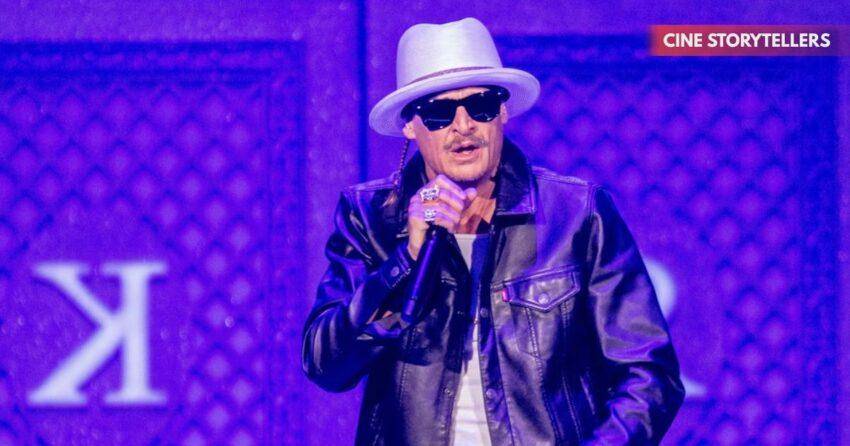
Super Bowl LX wasn’t just about football or music—it became a flashpoint in America’s ongoing culture wars. While Bad Bunny headlined the official NFL halftime show, conservative group Turning Point USA counterprogrammed with an “All-American Halftime Show” led by Kid Rock. What followed was a viral collision of pop culture, politics, patriotism, and backlash. From livestream numbers and celebrity reactions to deeper questions about representation and entertainment, this moment revealed how even halftime shows are no longer neutral ground.
Super Bowl LX Halftime Show: Why This Year Was Different
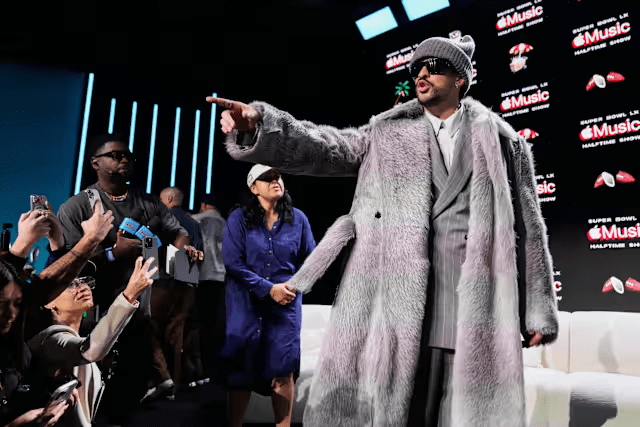
The Super Bowl halftime show has always been more than a musical break. It’s a cultural event watched by hundreds of millions across the globe. But Super Bowl LX took that idea to a whole new level.
This year, the NFL selected Bad Bunny, one of the most influential global music stars, as the official halftime performer. Almost immediately, the announcement sparked strong reactions—both praise and criticism. Supporters celebrated the choice as a reflection of modern America and its diverse musical tastes. Critics, particularly from conservative circles, saw it as another example of the NFL leaning away from “traditional” values.
That tension set the stage for something unprecedented: a fully organized, politically aligned alternative halftime show airing at the same time.
Also Read : Rylan Clark Returns to This Morning After Backlash Over Immigration Comments
Who Is Bad Bunny—and Why His Halftime Show Mattered
Bad Bunny isn’t just a chart-topper; he’s a cultural force. As a Puerto Rican artist who primarily performs in Spanish, his rise represents the globalization of pop music and the growing influence of Latino culture in the U.S.
His Super Bowl LX halftime performance leaned into that identity. The show featured high-energy choreography, Latin rhythms, and visuals celebrating unity and cultural pride. For many viewers, it felt fresh, modern, and representative of the audience watching at home.
For others, however, the performance symbolized something else entirely: a shift away from what they believed the Super Bowl “should” represent. That discomfort became fuel for a competing narrative—and a competing show.
The Rise of Kid Rock’s Conservative Counter-Halftime Show
Enter Turning Point USA, a conservative political organization known for its outspoken stances on culture and politics. In response to Bad Bunny’s selection, the group announced an alternative livestream: the “All-American Halftime Show.”
Headlining the event was Kid Rock, an artist who has increasingly aligned himself with conservative politics in recent years. The show was framed as a patriotic, values-driven alternative for viewers who felt alienated by the NFL’s official halftime choice.
It wasn’t subtle. The messaging was clear: this was meant to be a counterstatement, not just a concert.
What Happened During Kid Rock’s Halftime Show
The Turning Point USA halftime show aired online during the Super Bowl’s halftime break, positioning itself directly against Bad Bunny’s performance.
Kid Rock opened with a patriotic tone, including guitar-driven music and familiar anthems from his catalog. He was joined by country artists like Brantley Gilbert and Lee Brice, reinforcing the show’s “heartland America” branding.
Visually, the production leaned heavily into red, white, and blue imagery. Speeches and commentary emphasized traditional values, American pride, and resistance to what organizers described as “woke” entertainment.
While supporters praised the event as bold and refreshing, critics were quick to point out production issues, uneven performances, and what they saw as heavy-handed messaging.
Viewership Numbers and the Online Reaction
One of the biggest talking points after the event was viewership. Turning Point USA claimed millions tuned into the livestream across platforms. While the exact numbers were debated, there’s no question the show reached a sizable audience—especially for a non-televised event.
That said, the comparison with the official Super Bowl halftime was unavoidable. Bad Bunny’s performance aired on national television and drew a vastly larger audience by default.
On social media, reactions poured in from all sides. Clips from both performances trended, but often for very different reasons. Bad Bunny’s show was widely shared for its visuals and energy, while Kid Rock’s performance sparked memes, criticism, and heated debate.
Also Read : Unfamiliar Netflix Review: A Smart Spy Thriller With Emotional Depth
Celebrities, Politicians, and the Reaction Economy
As expected, public figures quickly weighed in.
Some conservative politicians and commentators praised Kid Rock for “standing up” to mainstream entertainment. Others openly criticized Bad Bunny’s performance, framing it as out of touch with American traditions.
Meanwhile, artists and entertainers from across the industry defended Bad Bunny, arguing that music and culture evolve—and that the Super Bowl should reflect that reality.
What stood out most was how quickly the conversation shifted from music to ideology. The halftime show wasn’t just reviewed; it was debated as a political statement.
Why This Moment Says So Much About American Culture
The clash between Bad Bunny’s halftime show and Kid Rock’s counter-event wasn’t really about which performance was better. It was about who feels seen—and who feels left out—in modern American culture.
Entertainment used to be a shared experience, especially events as massive as the Super Bowl. Super Bowl LX highlighted how fractured that experience has become. Instead of one halftime show uniting viewers, there were two shows reinforcing separate cultural bubbles.
That split reflects broader trends: media fragmentation, political polarization, and the rise of alternative platforms that allow niche audiences to avoid mainstream content altogether.
The NFL’s Role in the Controversy
The NFL didn’t organize—or endorse—the alternative halftime show, but it still found itself at the center of the storm.
By choosing Bad Bunny, the league leaned into global appeal and cultural diversity, a strategy it has followed for years. While that approach has expanded the NFL’s reach, it has also made the league a frequent target for political criticism.
Super Bowl LX showed that no matter who the NFL chooses, backlash is almost guaranteed. The question now is whether future halftime shows will face even more organized resistance—or whether this was a one-off moment driven by unique circumstances.
Kid Rock’s Evolving Public Image
Kid Rock’s role in the counter-halftime show also reignited discussion about his career transformation. Once known primarily as a genre-blending rock and rap artist, he has increasingly become a political symbol.
Supporters see him as authentic and unfiltered. Critics argue that his music has taken a back seat to provocation. The halftime show amplified that divide, cementing his status as more than a musician—he’s now a cultural lightning rod.
What This Means for Future Halftime Shows
If Super Bowl LX proved anything, it’s that halftime shows now exist in a hyper-politicized environment. Artists aren’t just performers; they’re perceived as representatives of broader cultural values.
Future Super Bowl halftime selections may face scrutiny long before anyone steps on stage. And outside groups, empowered by streaming platforms, may increasingly create alternative programming to challenge the main event.
Whether that leads to more diversity—or deeper division—remains to be seen.
Also Read : The 50 Episode 5 Full Review: Slap Controversy, Great Khali & High-Stakes Drama
FAQs
Why was Kid Rock’s halftime show created?
It was organized by Turning Point USA as a conservative alternative to Bad Bunny’s official Super Bowl halftime performance, aimed at viewers unhappy with the NFL’s choice.
Was Kid Rock’s show part of the Super Bowl broadcast?
No. It was a livestreamed event that aired online during halftime, not an official NFL production.
How did Bad Bunny’s halftime show perform?
Bad Bunny’s performance drew massive viewership through the official Super Bowl broadcast and was widely praised for its energy, visuals, and cultural representation.
Did the NFL respond to the controversy?
The NFL largely stayed silent, allowing the focus to remain on the performances rather than engaging in the political debate.
Will this happen again at future Super Bowls?
It’s possible. Super Bowl LX demonstrated that alternative, politically driven counter-programming can attract attention and audiences.
Join our WhatsApp channel for more updates and information about celebrities and entertainment.

I’m Atul Kumar, founder of Cine Storytellers and an entertainment creator with 5+ years of experience. I cover films, celebrities, music, and OTT content with a focus on accurate, ethical, and engaging storytelling. My goal is to bring readers trustworthy entertainment news that informs, inspires, and goes beyond gossip.
Discover more from Cine Storytellers
Subscribe to get the latest posts sent to your email.