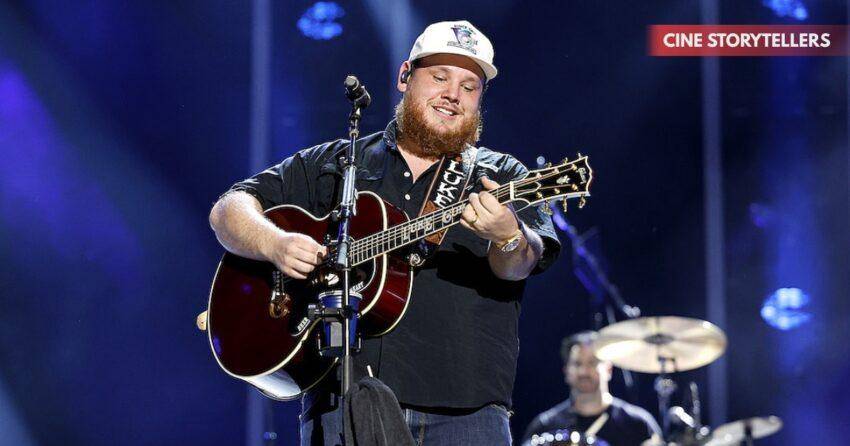
Luke Combs has performed on some of the biggest stages in music, but few moments have defined his career like singing “Fast Car” alongside Tracy Chapman. What began as a deeply personal cover turned into a chart-topping phenomenon, eventually leading to one of the most emotional and talked-about duets in recent music history. In this article, we explore Luke Combs’ reflections on the performance, Tracy Chapman’s lasting influence, the cultural power of “Fast Car,” and why this collaboration resonated far beyond country music. From personal memories to industry impact, this is the full story behind a moment that bridged generations.
How “Fast Car” Became Personal for Luke Combs
Long before Luke Combs was selling out arenas, “Fast Car” was already part of his life. He has spoken openly about growing up with the song playing during long drives, absorbed quietly while sitting in the passenger seat. For Combs, it wasn’t just a hit from the late 1980s — it was storytelling at its most honest.
Unlike many songs that fade with time, “Fast Car” stayed with him. Its lyrics about dreams, responsibility, escape, and disappointment felt real, even to a kid who hadn’t yet lived those experiences. That emotional imprint would later guide one of the most important artistic decisions of his career.
When Combs decided to record his own version years later, it wasn’t a strategic career move. It was a tribute — one rooted in respect for Tracy Chapman’s songwriting and the quiet power of her original performance.
Tracy Chapman’s Timeless Songwriting Legacy
Tracy Chapman’s influence on modern music cannot be overstated. When “Fast Car” was released, it stood apart from everything else on the radio. It wasn’t flashy. It didn’t rely on production tricks. Instead, it leaned entirely on storytelling, vulnerability, and emotional truth.
Chapman’s voice carried a sense of restraint that made the lyrics hit harder. She sang about working-class struggle, hope for something better, and the painful realization that dreams don’t always come true. Decades later, those themes remain universally relatable.
That’s why the song continues to resonate across generations, genres, and cultures. Folk, pop, rock, and country artists alike have cited Chapman as an influence — not for chasing trends, but for writing music that feels human.
Luke Combs didn’t change that essence. He honored it.
Also Read : Catherine O’Hara Dead at 71: Beloved Actress of Schitt’s Creek and Home Alone Remembered
Why Luke Combs’ Cover Worked
Covering a song as iconic as “Fast Car” is risky. Listeners are protective of classics, especially ones tied to personal memories. What made Luke Combs’ version successful wasn’t reinvention — it was restraint.
Combs kept the lyrics intact, respected the song’s pacing, and delivered it with emotional sincerity rather than vocal theatrics. His voice, rougher and heavier than Chapman’s, gave the song a slightly different emotional weight without overpowering its message.
Country audiences connected immediately. Many heard the song for the first time through Combs, while longtime fans of the original appreciated that he didn’t attempt to “outdo” Chapman.
The result was rare: a cover that felt both familiar and newly alive.
From Cover Song to Cultural Moment
What happened next surprised almost everyone.
Luke Combs’ version of “Fast Car” climbed charts at a speed few expected, crossing genre boundaries and introducing the song to millions of younger listeners. It wasn’t just successful — it became a shared cultural reference point.
Streaming numbers surged for both versions. Conversations sparked across social media. Fans debated interpretations, compared performances, and shared stories about what the song meant to them personally.
But the most powerful moment was still ahead.
The Duet That Stopped the Room
When Luke Combs and Tracy Chapman finally shared the stage to perform “Fast Car” together, the reaction was immediate and overwhelming. The performance wasn’t flashy or overproduced. It didn’t need to be.
Two artists stood side by side, singing a song that had already lived multiple lives.
Chapman’s presence added emotional gravity. Her calm delivery reminded audiences where the song began, while Combs’ voice represented where it had traveled. Together, they created a moment that felt both intimate and historic.
For many viewers, it was less about technical perfection and more about symbolism — the original storyteller and a modern interpreter meeting in the middle.
Luke Combs Reflects on Sharing the Stage
After the performance, Luke Combs spoke about the experience with visible humility. He described it as surreal, emotional, and deeply meaningful. Performing alongside Tracy Chapman wasn’t just an honor — it was a full-circle moment.
He acknowledged that without her songwriting, the song wouldn’t exist. Without her voice, it wouldn’t have endured. And without her trust, the duet wouldn’t have happened.
Combs has consistently emphasized that the spotlight belonged to the song itself. His role, he’s said, was simply to help carry it forward.
Why the Moment Resonated Beyond Music
The duet resonated because it represented something rare in the modern music industry: genuine artistic respect.
There was no competition. No attempt to overshadow. No ego-driven performance choices. Instead, there was space — for silence, for emotion, and for shared history.
At a time when music is often consumed quickly and forgotten just as fast, this moment slowed everything down. It reminded audiences why songs matter, why storytelling lasts, and why authenticity still cuts through noise.
Also Read : Send Help (2026) Review: Rachel McAdams & Dylan O’Brien Lead Dark Comedy Survival Thriller
Bridging Generations and Genres
One of the most remarkable outcomes of the duet was how it unified different audiences. Folk fans, country listeners, pop audiences, and casual viewers all found something to connect with.
Older listeners were reminded of when they first heard Chapman’s voice decades ago. Younger fans discovered the song through Combs and then traced it back to its roots.
That cross-generational exchange is rare — and incredibly powerful.
The Industry Impact of “Fast Car”
Beyond emotional reactions, the performance had tangible industry effects. It sparked renewed discussions about songwriting credit, royalties, and the long-term value of owning one’s work.
Tracy Chapman’s success with “Fast Car,” decades after its release, became a reminder that great songs don’t expire. They wait.
For newer artists, it served as a lesson: write honestly, protect your work, and trust that meaningful music will eventually find its audience — even if it takes time.
What This Moment Means for Luke Combs’ Career
For Luke Combs, the duet marked a turning point. Already established as a major country star, he stepped into a broader cultural space — one defined by respect for music history rather than commercial dominance.
It positioned him not just as a hitmaker, but as a caretaker of storytelling traditions. That distinction matters, especially in a genre built on narrative and emotion.
Rather than overshadowing his own original work, “Fast Car” expanded how audiences see him.
Tracy Chapman’s Quiet Return to the Spotlight
For Tracy Chapman, the moment was equally significant — but in a different way. Known for maintaining a private life, her decision to appear publicly carried weight.
She didn’t return for nostalgia or promotion. She returned for the song.
That choice reinforced her reputation as an artist who values substance over spectacle, and it reminded the world why her voice still matters.
Why “Fast Car” Will Continue to Endure
Some songs succeed because they’re catchy. Others last because they’re true.
“Fast Car” endures because it speaks honestly about hope and limitation, love and responsibility, dreams and reality. Those themes don’t age.
Whether sung by Tracy Chapman, Luke Combs, or someone else decades from now, the song will continue to find listeners who see themselves inside its verses.
Also Read : Bella Hadid Dances with Adan Banuelos Before Arrest: Relationship Status, Timeline & What It Means
FAQs
Why did Luke Combs choose to cover “Fast Car”?
Because the song was deeply personal to him and played a role in shaping his love for music long before his career began.
How did Tracy Chapman respond to Luke Combs’ version?
She allowed and supported the cover, later joining him for a duet that highlighted mutual respect and artistic connection.
Why was the duet so emotional for fans?
It brought together the original artist and a modern interpreter, symbolizing the song’s timeless impact across generations.
Did the duet change the song’s legacy?
Rather than changing it, the duet expanded it — introducing “Fast Car” to new audiences while honoring its origins.
Will Luke Combs and Tracy Chapman collaborate again?
There has been no confirmation, but the duet stands as a complete and powerful moment on its own.
Join our WhatsApp channel for more updates and information about celebrities and entertainment.

I’m Atul Kumar, founder of Cine Storytellers and an entertainment creator with 5+ years of experience. I cover films, celebrities, music, and OTT content with a focus on accurate, ethical, and engaging storytelling. My goal is to bring readers trustworthy entertainment news that informs, inspires, and goes beyond gossip.
Discover more from Cine Storytellers
Subscribe to get the latest posts sent to your email.