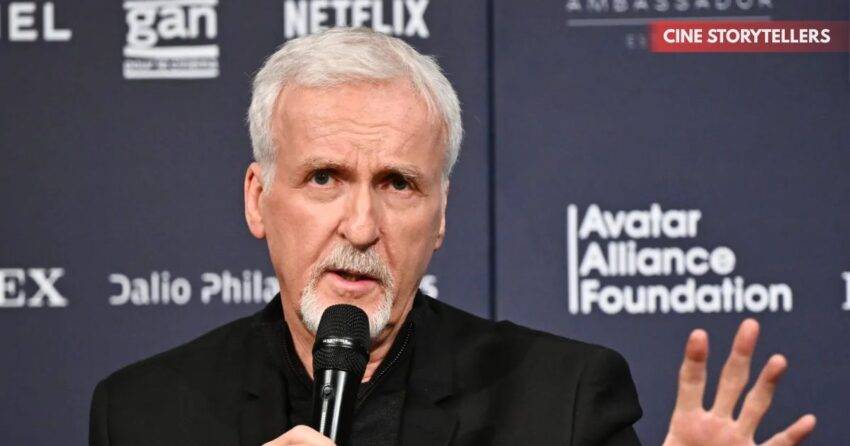
James Cameron, director of the legendary Aliens, recently voiced his frustration with Alien 3, the 1992 sequel directed by David Fincher. On the Just Foolin’ About with Michael Biehn podcast, Cameron called the decision to kill off key characters — Hicks, Newt, and Bishop — “the stupidest f‑king thing.” He argued that it erased the emotional connection audiences had built in Aliens and replaced them with characters viewers didn’t care about. While Cameron praised Fincher’s talent, he blamed heavy studio interference for the narrative missteps. The controversy reignites decades-long debates about storytelling, character continuity, and how the Alien franchise handled beloved characters.
The Opening Twist That Shocked Fans
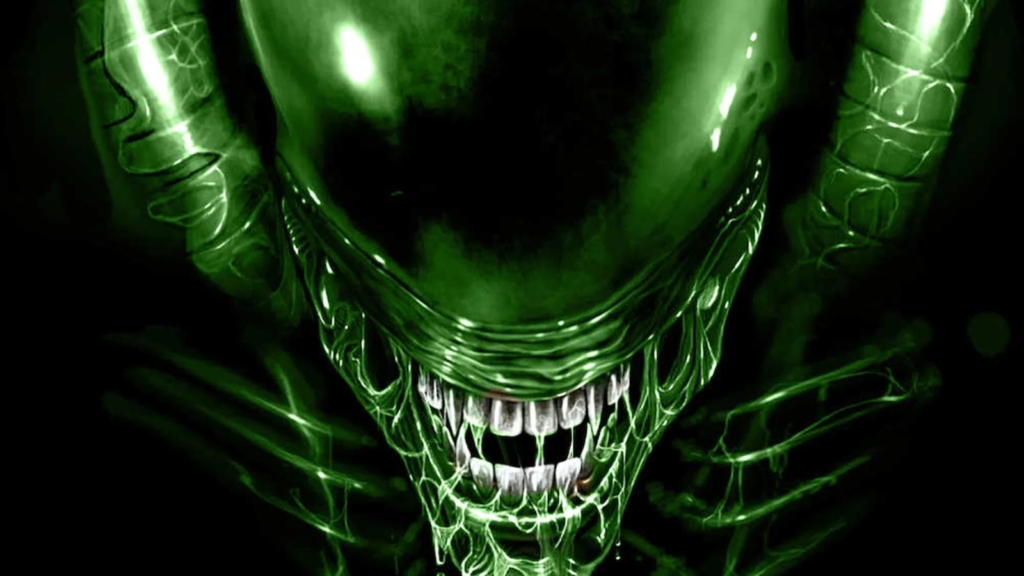
When Alien 3 begins, audiences are immediately confronted with a bleak reality: the survivors from Aliens — Hicks, Newt, and Bishop — have perished off-screen in a ship crash. This unexpected move sets a darker, lonelier tone for the film, leaving only Ripley alive on a prison planet.
Cameron was blunt in his critique:
“It was the stupidest f‑king thing. Really smart guys… replace them with a bunch of f‑king convicts that you hate and want to see die.”
He believes the decision destroyed the emotional investment that fans had developed over the course of Aliens, a film that celebrated teamwork, bravery, and resilience.
Also Read : Euphoria Season 3’s Time Jump Explained
The Fate of Hicks, Newt, and Bishop
The early deaths of these characters were controversial because they removed critical story threads:
- Hicks (Michael Biehn) – The heroic Marine who fought alongside Ripley in Aliens.
- Newt (Carrie Henn) – The young girl who symbolized hope and family.
- Bishop (Lance Henriksen) – The android whose loyalty and intelligence were vital to the team.
By killing them off-screen, Alien 3 eliminated the payoff for the audience’s emotional attachment and replaced these familiar faces with convicts who were largely unsympathetic.
Cameron’s Perspective on Studio Interference
While Cameron criticized the narrative choices, he stopped short of blaming David Fincher personally. He praised Fincher as a filmmaker but pointed out that he was:
- Directing his first feature film
- Under heavy studio oversight
- Often forced to follow decisions not entirely of his own making
This context explains why Cameron framed his critique as targeting the story decisions rather than the director’s talent.
The Impact on the Franchise
The decision to kill off Hicks, Newt, and Bishop had long-lasting consequences for the Alien franchise:
- Emotional Disconnect – Audiences lost the characters they cared about, reducing narrative engagement.
- Tonal Shift – The film’s focus moved to a bleak, oppressive setting, contrasting sharply with the action-driven, emotionally rich Aliens.
- Fan Division – The opening twist remains a divisive topic, with some praising its boldness and others condemning it as franchise mismanagement.
This moment has sparked decades of discussion about how franchises balance character continuity with new creative directions.
The Story Behind Alien 3’s Development
Alien 3 underwent numerous script revisions and studio mandates that shaped its controversial opening. Initially, filmmakers explored several ideas for continuing the story from Aliens, but executive decisions forced a darker approach that prioritized shock value over character continuity.
David Fincher himself described the experience as challenging due to these constraints, acknowledging that the final product was influenced heavily by studio executives rather than his full vision.
Also Read : Star Trek: Strange New Worlds Season 3 – Cast, Plot, Release Date, Streaming
Comparing Aliens and Alien 3
Aliens (1986)
- Directed by James Cameron
- Focused on teamwork, survival, and emotional bonds
- Featured a satisfying conclusion with Ripley, Hicks, Newt, and Bishop escaping together
Alien 3 (1992)
- Directed by David Fincher
- Begins with the off-screen deaths of major characters
- Shifts tone to isolation, bleakness, and existential horror
- Replaces beloved characters with convicts on a prison planet
This stark contrast highlights why Cameron found the narrative choice so frustrating.
Fan Reactions to Cameron’s Critique
Fans on social media and forums reacted strongly:
- Many agreed with Cameron, noting the loss of character continuity harmed Alien 3’s emotional resonance.
- Some defended the film’s darker tone, arguing it provided a new perspective for Ripley’s journey.
- Discussions often include debates on studio interference, creative control, and franchise management.
The ongoing conversation underscores the Alien franchise’s enduring influence and how critical fan attachment to characters remains in long-running series.
Why This Debate Matters
Cameron’s comments highlight broader lessons for franchises:
- Respecting Character Investment – Abruptly removing beloved characters can alienate audiences.
- Balancing Creativity and Continuity – New storylines should honor prior emotional arcs.
- Impact of Studio Decisions – Heavy interference can compromise narrative quality and fan satisfaction.
These lessons are relevant not only to Alien, but to other franchises navigating sequels, reboots, and creative transitions.
Legacy of James Cameron’s Critique
Although Cameron has moved on to projects like Avatar: Fire and Ash, his perspective continues to influence how fans and filmmakers view Alien 3. His critique reminds audiences and creators alike that narrative choices — especially the treatment of well-loved characters — have lasting cultural and emotional consequences.
Also Read : Resident Alien Canceled After Three Seasons – Reasons, Cast Reaction, Future Possibilities
FAQs
What did James Cameron say about Alien 3?
He called the decision to kill off Hicks, Newt, and Bishop “the stupidest f‑king thing” because it undermined the emotional payoff of Aliens.
Why were the characters killed off?
The deaths occur off-screen at the start of Alien 3, leaving Ripley alone on a prison planet to reset the story’s tone.
Did Cameron criticize David Fincher?
No. He praised Fincher’s talent and clarified that studio interference influenced the controversial decisions.
How did fans react to the deaths?
Reactions remain divided: some agree with Cameron, while others appreciate the film’s darker thematic approach.
Why does this debate still matter?
Because the Alien franchise is iconic, and decisions like the Alien 3 twist illustrate how narrative choices affect fan loyalty, character continuity, and franchise legacy.

I’m Atul Kumar, founder of Cine Storytellers and an entertainment creator with 5+ years of experience. I cover films, celebrities, music, and OTT content with a focus on accurate, ethical, and engaging storytelling. My goal is to bring readers trustworthy entertainment news that informs, inspires, and goes beyond gossip.
Discover more from Cine Storytellers
Subscribe to get the latest posts sent to your email.