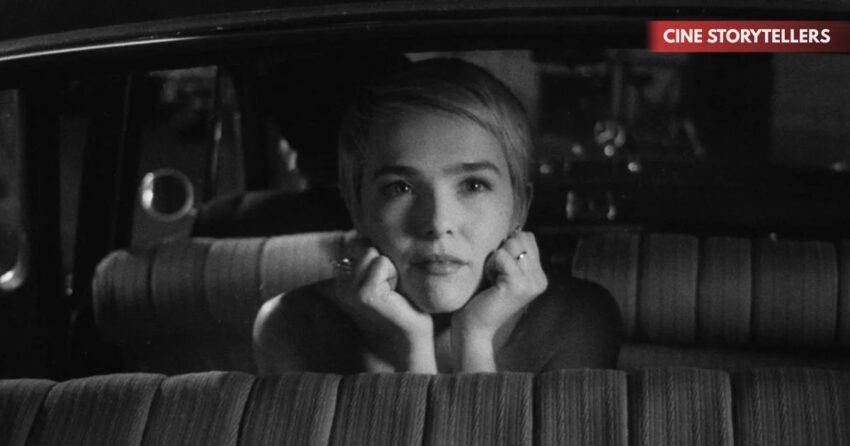
Zoey Deutch is entering one of the most defining phases of her career by portraying legendary actress Jean Seberg in Richard Linklater’s Nouvelle Vague. The black-and-white, French-language film revisits the making of Jean-Luc Godard’s Breathless and the revolutionary French New Wave era. In interviews, Deutch speaks candidly about the responsibility of playing Seberg, her deep admiration for the late icon, and how this role challenged her creatively and emotionally. This article explores Deutch’s preparation, the cultural weight of Jean Seberg, the film’s artistic ambition, and why Nouvelle Vague is already being seen as a pivotal moment for contemporary cinema.
Zoey Deutch Takes on a Cinematic Legend
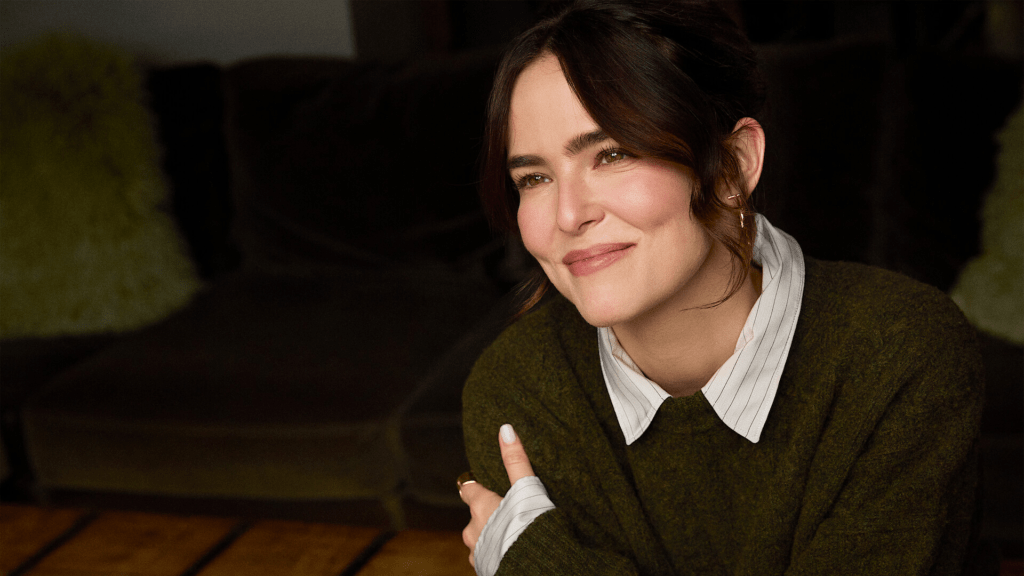
Zoey Deutch has built a career on charm, sharp dialogue delivery, and modern romantic comedies, but Nouvelle Vague signals a clear evolution. By stepping into the role of Jean Seberg, Deutch isn’t just playing a famous actress—she’s embodying a woman who helped change the language of cinema itself.
In interviews tied to the film’s release, Deutch has emphasized that her approach wasn’t about imitation. Instead, she focused on understanding Seberg’s inner world: her vulnerability, her courage, and her desire to be taken seriously as an artist. For Deutch, this wasn’t simply another role; it was a responsibility to honor a woman whose life and career were often misunderstood.
Who Was Jean Seberg, and Why She Still Matters
Jean Seberg remains one of the most enduring figures in film history. Though American by birth, she became a symbol of French cinema after starring in Breathless (1960). With her cropped hair, naturalistic performance, and effortless defiance of Hollywood norms, Seberg became the face of the French New Wave.
But Seberg’s life extended far beyond her on-screen image. She was politically outspoken, emotionally complex, and frequently scrutinized by the media. Her later years were marked by personal struggles, making her legacy both inspiring and tragic.
By portraying Seberg, Deutch is engaging with a layered historical figure—someone who represents artistic freedom, but also the cost that often comes with it.
Inside Nouvelle Vague: A Love Letter to a Film Movement
Directed by Richard Linklater, Nouvelle Vague is not a conventional biopic. Instead of tracing Jean Seberg’s entire life, the film focuses on a specific moment in cinematic history: the making of Breathless.
Shot in black and white and performed largely in French, the film immerses viewers in the energy of late-1950s Paris. It captures the spontaneity, rebellion, and experimentation that defined the New Wave movement. The camera work, pacing, and dialogue reflect the spirit of the era rather than modern filmmaking conventions.
This approach allows Deutch’s Seberg to exist not as a distant historical figure, but as a young woman navigating uncertainty, ambition, and creative risk in real time.
How Zoey Deutch Prepared for the Role
Preparation for Nouvelle Vague was intense and deeply personal for Deutch. She immersed herself in Jean Seberg’s films, interviews, and photographs, paying close attention to her physicality and vocal patterns. Learning French—and delivering lines with authenticity—was a crucial part of the process.
Deutch also adopted Seberg’s iconic pixie haircut, a visual transformation that symbolized her full commitment to the role. But beyond external changes, she focused on capturing Seberg’s emotional truth: her openness, her curiosity, and her quiet resilience.
According to Deutch, the goal was never to recreate a myth, but to portray a real woman at a turning point in her life.
Richard Linklater’s Vision and Why It Fits Deutch Perfectly
Richard Linklater is known for his character-driven storytelling and his fascination with time, identity, and creative process. Nouvelle Vague aligns naturally with these themes, making him an ideal director for this story.
Linklater reportedly encouraged his cast to embrace imperfection and spontaneity—values that defined the original French New Wave. For Deutch, this meant trusting her instincts rather than over-polishing her performance.
The result is a portrayal that feels lived-in and human, reinforcing the idea that Seberg wasn’t trying to become an icon—she became one by being herself.
Also Read : Cover-Up Review: Netflix’s Explosive Documentary Proves Why Investigative Journalism Still Matters
A Career-Defining Moment for Zoey Deutch
While Zoey Deutch has always been respected for her talent, Nouvelle Vague positions her in a new creative space. This role moves her firmly into prestige cinema and signals her readiness to take on complex, historically significant characters.
Industry observers have already noted that this performance could open doors to more auteur-driven projects. It also challenges lingering perceptions of Deutch as only a contemporary or comedic actress.
In many ways, playing Jean Seberg mirrors Seberg’s own career shift—stepping into unfamiliar territory and trusting the work to speak for itself.
Why Nouvelle Vague Resonates With Modern Audiences
Although set decades ago, Nouvelle Vague feels strikingly relevant today. The film explores themes of creative rebellion, female agency, and the tension between art and industry—topics that continue to shape modern cinema.
Deutch’s portrayal highlights how Seberg navigated a male-dominated artistic world while maintaining her individuality. That struggle resonates strongly with contemporary conversations about representation and authorship in film.
By revisiting the past through a modern lens, Nouvelle Vague reminds audiences that cinematic revolutions don’t happen overnight—they happen when artists dare to take risks.
Critical Buzz and Early Reactions
Early reactions to Nouvelle Vague have praised its authenticity and Deutch’s understated performance. Critics have highlighted how she avoids caricature, opting instead for subtle gestures and emotional restraint.
The film itself has been described as both intellectually engaging and emotionally accessible—a balance that’s difficult to achieve. Much of that success is attributed to Deutch’s ability to anchor the story without overpowering it.
As awards season discussions begin, her name is increasingly part of the conversation.
The Legacy Zoey Deutch Is Helping to Preserve
By portraying Jean Seberg, Zoey Deutch contributes to preserving a vital chapter of film history. Nouvelle Vague doesn’t just revisit a famous movie—it revives the spirit of artistic freedom that defined an era.
For younger audiences unfamiliar with Seberg, Deutch serves as an entry point. For longtime cinephiles, her performance offers a fresh, respectful interpretation that deepens appreciation for a complex icon.
This blend of reverence and reinvention is what makes the film—and Deutch’s role—so compelling.
Also Read : Leaked 60 Minutes Episode Sparks Media Firestorm and Raises Serious Questions About Editorial Control
FAQs
Who does Zoey Deutch play in Nouvelle Vague?
Zoey Deutch portrays Jean Seberg, the American actress who became a symbol of the French New Wave after starring in Breathless.
What is Nouvelle Vague about?
The film focuses on the making of Breathless and captures the creative energy of the French New Wave movement rather than telling a full biographical story.
Is Nouvelle Vague filmed in French?
Yes, the movie is largely French-language and shot in black and white to reflect the style of the era.
Why is this role important for Zoey Deutch’s career?
It marks a significant shift toward prestige, auteur-driven cinema and showcases her range as a dramatic actress.
Who directed Nouvelle Vague?
The film is directed by Richard Linklater, known for his thoughtful, character-focused storytelling.
Join our WhatsApp channel for more updates and information about celebrities and entertainment.
I’m Atul Kumar, founder of Cine Storytellers and an entertainment creator with 5+ years of experience. I cover films, celebrities, music, and OTT content with a focus on accurate, ethical, and engaging storytelling. My goal is to bring readers trustworthy entertainment news that informs, inspires, and goes beyond gossip.
Discover more from Cine Storytellers
Subscribe to get the latest posts sent to your email.