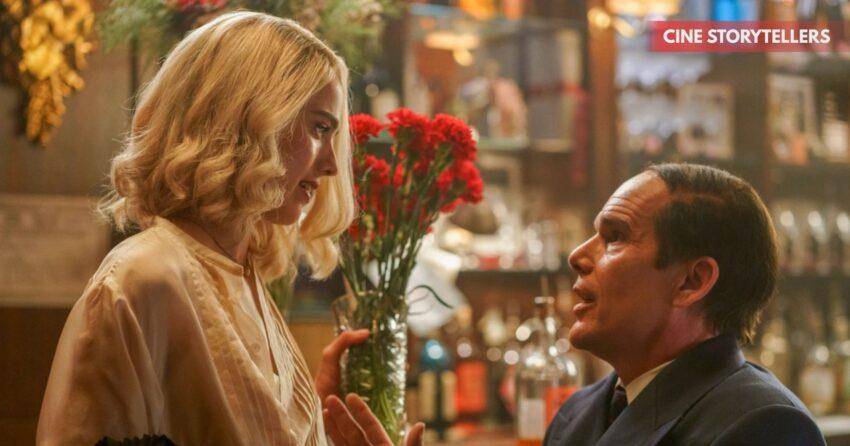
In Blue Moon, Ethan Hawke transforms into Lorenz Hart, a lyricist facing the twilight of his creative career. The film captures a critical night in Hart’s life, combining intense performance, emotional honesty, and historical nuance. Hawke’s physical and emotional transformation, combined with director Richard Linklater’s intimate approach, results in a film that’s both haunting and deeply human. Beyond the story, Blue Moon invites reflection on creativity, vulnerability, and the relentless passage of time.
Understanding Blue Moon and Its Significance
A Night in Lorenz Hart’s Life
Blue Moon centers on one pivotal, emotionally charged night: the opening of a new show by Hart’s former collaborator Richard Rodgers with a new partner, leaving Hart to confront isolation and professional obsolescence. The film brings audiences into a historically rich, yet emotionally intimate space, exploring Hart’s feelings of betrayal, pride, and loss.
Director Richard Linklater’s approach emphasizes the psychological landscape over spectacle, creating a chamber-style environment that magnifies Hart’s vulnerability. It’s a story not just about fame, but the human struggle with relevance and creative decline.
The Film’s Unique Approach
Unlike traditional biopics, Blue Moon focuses on intensity and character depth. Instead of grandiose musical numbers or dramatic plot embellishments, the film zeroes in on dialogue, subtle interactions, and emotional nuance. Every gesture, every pause in Hawke’s performance is deliberate, enhancing the authenticity of Hart’s lived experience.
Ethan Hawke’s Transformation for the Role
Physical Alterations
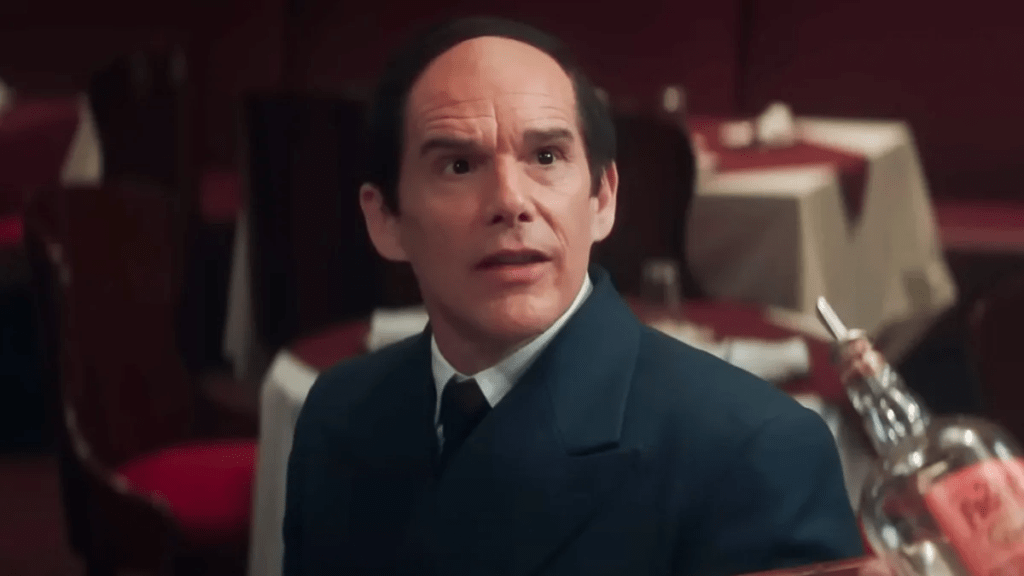
To embody Hart accurately, Hawke underwent a dramatic physical transformation. He shaved his head, used brown contact lenses, altered his posture, and even allowed cinematography techniques to make him appear shorter and frailer, matching Hart’s real-life 5-foot frame. These changes didn’t just alter his appearance — they affected how he moved, reacted, and was perceived by others, including cast and crew.
Hawke has described these physical changes as unexpectedly transformative, influencing both his performance and interactions on set. He noted that even small details like eye color significantly changed the way people responded to him, adding a layer of authenticity to his portrayal.
Emotional Immersion
Hawke’s immersion went beyond physicality. He engaged deeply with Hart’s emotional landscape — the insecurity, the lingering jealousy, the pride, and the artistic frustration. The role demanded sustained focus on these complex states of mind, requiring Hawke to tap into his own experiences with creativity, failure, and ambition.
Linklater, with whom Hawke has collaborated for decades, deliberately challenged him to strip away any vanity, emphasizing the raw and sometimes uncomfortable truth of the character’s existence. This created an environment where performance was inseparable from real emotional engagement.
Themes Explored in Blue Moon
Creativity and Decline
Blue Moon is as much about the end of a creative era as it is about Hart himself. Hawke’s portrayal highlights the tension between past brilliance and present obscurity, exploring the psychological toll of being overshadowed by former collaborators or the changing tides of public attention.
The film invites viewers to consider how society values creativity and the fleeting nature of success. Hart’s struggles are emblematic of many artists who experience the highs of acclaim and the subsequent isolation when the spotlight shifts elsewhere.
Fame, Identity, and Ego
The movie explores the complex relationship between artistic identity and ego. Hart’s sense of self is tightly entwined with his past achievements, and the success of others triggers introspection, jealousy, and existential anxiety. Through Hawke’s performance, audiences witness the human cost of fame and the delicate balance between pride and vulnerability.
Human Vulnerability and Time
One of the film’s most poignant themes is the passage of time and its effects on the individual. Hawke’s Hart is constantly aware of his mortality — both personal and professional — which amplifies the film’s emotional intensity. The performance is a meditation on how people face aging, relevance, and the inevitability of change, particularly in creative fields.
The Artistic Approach and Cinematic Style
Chamber-Style Storytelling
Blue Moon relies on a minimalist, intimate style of filmmaking. Instead of expansive sets or visual effects, Linklater creates tension and depth through confined spaces, lighting, and careful shot composition. This style places the audience directly inside Hart’s mind, making every gesture and word carry weight.
Dialogue-Driven Narrative
The film’s narrative strength lies in its dialogue. Hawke’s delivery captures subtle shifts in emotion — from sarcasm to despair, humor to resignation — offering insight into Hart’s complex psyche. The script demands precision and emotional honesty, allowing the audience to experience the character’s internal struggles without exposition or dramatization.
Ethan Hawke’s Reflections on Art and Life
The Role of Humility in Creativity
Hawke has expressed that taking on this role reminded him of the impermanence of success. His work on Blue Moon reinforced the importance of humility, persistence, and gratitude in creative endeavors. Hawke approaches each performance with a sense of vulnerability, acknowledging the unpredictability of audience reception and industry recognition.
Aging and Perspective
For Hawke, portraying Hart offered a mirror to his own life as an actor. He reflected on the evolving opportunities and challenges that come with aging in Hollywood, highlighting the emotional complexities of maintaining relevance while embracing personal and professional growth.
A Commitment to Authenticity
Hawke’s dedication to authenticity — in appearance, performance, and emotional depth — demonstrates the importance of integrity in art. By fully inhabiting Hart’s experiences, he encourages audiences to confront uncomfortable truths about creativity, failure, and human frailty.
Also Read : Daniel Radcliffe’s Heartfelt Letter to New Harry Potter Actor Dominick McLaughlin Wins Fans’ Hearts
Why Blue Moon Resonates
A Mirror for Creative Struggles
The film resonates beyond its historical context. Anyone who has experienced ambition, disappointment, or the pressure of public expectation can relate to Hart’s journey. Hawke’s performance transforms Hart’s historical narrative into a universal exploration of human resilience and vulnerability.
A Reminder of the Human Element in Art
In a cinematic landscape often dominated by spectacle, Blue Moon emphasizes intimacy, nuance, and emotional truth. It reminds audiences that film can be a medium for introspection, empathy, and human connection, beyond entertainment or profit.
Lessons for Audiences
Hawke’s portrayal encourages viewers to reflect on their own lives, particularly in the realms of creativity, aging, and personal fulfillment. It’s a reminder to value authentic expression, embrace vulnerability, and remain grounded in a world that often prioritizes external validation over personal growth.
Also Read : Frontier Crucible 2025: 4K Blu-ray Release & What It Means
FAQs
Q: Is Blue Moon based on real events?
Yes. The film dramatizes a real moment in the life of lyricist Lorenz Hart, focusing on a night when he confronted the success of his former collaborator Richard Rodgers.
Q: Did Ethan Hawke undergo a physical transformation for the role?
Yes. Hawke shaved his head, changed his eye color with contact lenses, adjusted posture and movement, and used camera techniques to accurately reflect Hart’s physicality.
Q: What makes Blue Moon different from typical biopics?
The film is intimate, dialogue-driven, and character-focused, emphasizing emotional depth and psychological realism rather than spectacle or dramatization.
Q: Why is Hawke’s performance considered one of his best?
The role demanded complete emotional, physical, and psychological immersion, showcasing his ability to convey vulnerability, complexity, and authenticity.
Q: What broader themes does the film explore?
Blue Moon examines creativity, aging, fame, ego, human vulnerability, and the passage of time, offering lessons on authenticity, humility, and resilience.
Join our WhatsApp channel for more updates and information about celebrities and entertainment

I’m Atul Kumar, founder of Cine Storytellers and an entertainment creator with 5+ years of experience. I cover films, celebrities, music, and OTT content with a focus on accurate, ethical, and engaging storytelling. My goal is to bring readers trustworthy entertainment news that informs, inspires, and goes beyond gossip.
Discover more from Cine Storytellers
Subscribe to get the latest posts sent to your email.