
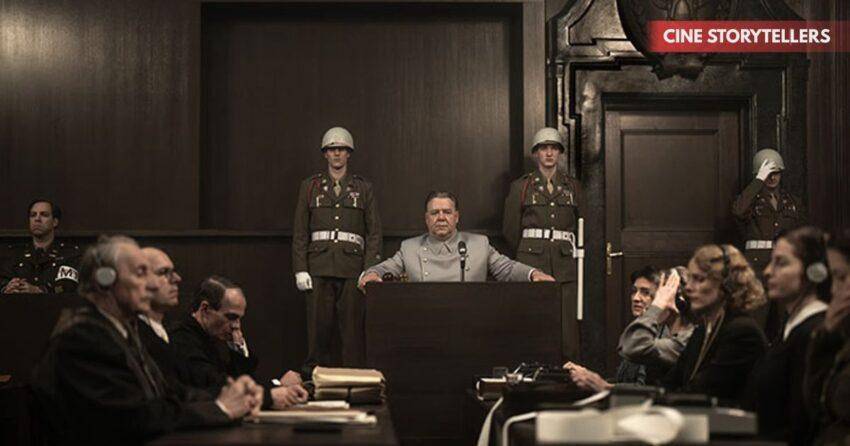
The Nuremberg Trials marked the first time major war-crime proceedings were filmed in detail. From chilling evidence of Nazi atrocities to courtroom footage of defendants and judges, these films created a permanent historical record. Beyond documenting justice, they influenced future courtroom documentaries and dramatic retellings, shaping how generations understand accountability, human rights, and the aftermath of World War II.
The Nuremberg Trials: A New Era of Justice
The Nuremberg Trials, held from 1945 to 1946, were a landmark in global justice. Top Nazi officials were prosecuted for war crimes, crimes against humanity, and crimes against peace. For the first time in Western legal history, cameras were allowed in the courtroom, providing the public with a real-time view of justice in action.
These trials weren’t just about punishing criminals—they were about setting a precedent. The Allied powers wanted the world to witness the consequences of orchestrating genocide and war. By filming the proceedings, they ensured the evidence and testimonies could outlast the courtroom and serve as a permanent record.
Capturing History on Film
Evidence of Atrocities
The Nuremberg trial films began with a shocking presentation of evidence. Footage of liberated concentration camps revealed the scale of Nazi crimes: emaciated survivors, mass graves, abandoned barracks, and personal belongings of victims. This visual evidence made it impossible to deny the horrors that had occurred.
Unlike photographs, which could be dismissed as staged or isolated, motion picture footage showed continuity and context. Viewers could see the camps as they truly were, adding depth and immediacy to the narrative. These films transformed abstract reports of atrocities into undeniable reality.
The Courtroom in Motion
In addition to documentary footage of the camps, filmmakers captured the trials themselves. Judges, prosecutors, defendants, witnesses, and interpreters appeared on camera, offering a detailed view of legal proceedings.
Defendants such as Hermann Göring and Rudolf Hess were filmed facing charges, sometimes appearing composed, sometimes visibly shaken. Judges and prosecutors worked tirelessly, all while being observed by the world through the lens of a camera. This unprecedented access allowed audiences to witness history as it unfolded, bridging the gap between courtroom and public understanding.
Why These Films Were Revolutionary
Transparency and Accountability
Allowing cameras into the courtroom was a bold decision. Previously, cameras were generally prohibited in trials, especially in the United States, due to concerns about disrupting proceedings or influencing testimonies. At Nuremberg, the presence of cameras ensured transparency and reinforced the notion that justice must be public.
By broadcasting and distributing these films, the Allies ensured that the crimes and their consequences were indisputable. The world could see, hear, and judge for itself. This transparency also helped combat denial and revisionism, creating a lasting record for posterity.
A Template for Future Filmmaking
The Nuremberg trial films didn’t just serve legal purposes—they influenced the evolution of documentary filmmaking. By combining courtroom footage with evidence reels and survivor testimonies, filmmakers established a blueprint for future courtroom and historical documentaries.
Elements such as editing for narrative clarity, using real footage to supplement narration, and balancing factual presentation with storytelling became standard techniques in later films exploring legal cases, historical events, and human rights issues.
Real Footage vs. Dramatized Retellings
Over the decades, Hollywood and international filmmakers dramatized the Nuremberg Trials, adding dialogue, suspense, and cinematic flair. While these dramatizations offer narrative depth and emotional engagement, they cannot replicate the raw impact of the original films.
Real footage provides authenticity. Viewers see genuine expressions, hear actual testimony, and witness evidence without interpretation. The emotional weight and credibility of the historical record remain unmatched, making the original films indispensable for understanding the trials.
Preserving the Legacy
Restoration and Accessibility
Many of the original Nuremberg films were stored in archives for decades. Over time, historians and preservationists restored these films, improving image quality and ensuring longevity. Restoration has allowed educators, scholars, and the public to access these vital historical documents without deterioration.
Educational Impact
The films have been used extensively in classrooms, museums, and documentaries. They serve as teaching tools, helping students and viewers understand the complexities of justice, the scale of Nazi crimes, and the importance of accountability.
By combining historical footage with context and narration, these films make the events of the Nuremberg Trials tangible for modern audiences. They are as relevant today as they were immediately after World War II.
Lessons for Modern Storytelling
The Nuremberg films demonstrated the power of combining visual evidence with narrative structure. This approach influenced modern documentaries, true-crime series, and courtroom dramas.
Filmmakers learned that authenticity and context are crucial. Showing raw footage alongside explanatory narration creates a compelling narrative without sensationalism. The technique has been adopted by countless historical and legal documentaries, proving the enduring influence of the Nuremberg films.
Emotional and Moral Resonance
Beyond technical innovation, the films carried profound moral weight. They reminded viewers of the human cost of war and the responsibility of societies to prevent atrocities. By watching these proceedings and evidence, audiences are confronted with questions of ethics, justice, and the consequences of inaction.
Also Read : Critics Choice Awards 2026: Full Nominations List & Surprising Contenders
FAQs
Are the original Nuremberg trial films available to watch today?
Yes. Restored versions of the courtroom and documentary footage are accessible through archives, museums, and educational platforms.
What did the films show besides the trials?
They included evidence of Nazi atrocities, footage from concentration camps, witness testimonies, and courtroom proceedings of high-ranking Nazi officials.
Why were cameras allowed in the courtroom?
To ensure transparency and create a permanent record of justice being carried out. It was unprecedented at the time and set a new standard for documenting legal proceedings.
How did these films influence later media?
They established techniques for combining real footage with narration, editing for clarity, and creating emotionally compelling, factual storytelling. Modern documentaries, true-crime series, and historical films often follow this template.
Why are these films still important today?
They provide authentic historical evidence, teach lessons about justice and accountability, and serve as a reminder of the consequences of unchecked hatred and extremism.
Join our WhatsApp channel for more updates and information about celebrities and entertainment.


I’m Atul Kumar, founder of Cine Storytellers and an entertainment creator with 5+ years of experience. I cover films, celebrities, music, and OTT content with a focus on accurate, ethical, and engaging storytelling. My goal is to bring readers trustworthy entertainment news that informs, inspires, and goes beyond gossip.